

Blog & Videos

science in early childhood education

The Role That Science Has To Play In Early Childhood Education

If you have heard that the rules around mobile phones and electronic devices in early childhood settings have changed, you are right. If your child attends a childcare centre in NSW, these changes are already in effect.

Here is a plain-English breakdown of what changed, why it happened, and what it means for your family.

Why Did the Laws Change?

The changes were introduced as a child safety measure. In 2025, Australia’s Education Ministers agreed to amend the Education and Care Services National Law to address concerns about the potential for personal devices to be used to capture, store, or transmit images of children in care without authorisation.

The intent is straightforward: children in early learning settings deserve an environment where their privacy and safety are actively protected.

What Changed Nationally

From 27 February 2026, amendments to the national Education and Care Services National Law took effect across Australia. Under these changes, educators and staff who work directly with children are restricted from using personal electronic devices in care settings.

Before this, from 1 September 2025, all early childhood education and care services nationwide were required to have written policies in place addressing the use of digital devices.

What Changed in NSW

NSW moved ahead of the national timeline. The Education and Care Services (Supply, Authorisation and Use of Devices) Order 2025 took effect on 6 November 2025, applying across NSW’s 6,000 or more early learning services, including long day care centres, preschools, and family day care.

Under this order, educators and staff must use service-issued or service-authorised devices rather than their own personal devices when working directly with children.

What Counts as a Personal Device?

The definition is broad. A personal device is any device owned by an individual (not the approved provider) that is capable of capturing, storing, or transmitting an image. This includes:

  • Mobile phones
    Smartwatches
  • Cameras and tablets
    iPads and laptops
  • Hard drives, USB drives, and memory cards
  • Wearables such as camera glasses

Who Does the Ban Apply To?

The restrictions apply to anyone working directly with children at a service, including permanent and casual educators, students on placement, volunteers, contractors, and allied health professionals delivering programs on-site.

Parents, carers, and other visitors are not covered by the ban. In NSW, parents and carers remain free to use their personal devices during drop-off, pick-up, centre visits, and events involving their own children. There are also authorised exceptions for essential purposes, including emergencies and health or disability support needs.

What About Screen Time for Children?

These new laws specifically address staff device use, not children’s screen time. Screen time limits for young children are not mandated within childcare regulation at a national level.

The relevant guidance comes from the federal Department of Health and Aged Care’s 24-Hour Movement Guidelines, which recommend no screen time for children under 2 years, and no more than 1 hour per day for children aged 2 to 5 years. These are health guidelines, not regulatory requirements.

What This Means for Your Family

If your child attends a childcare centre in NSW, their service is already required to operate under these rules. Any educator or staff member working directly with your child should not be using a personal device to take photos or videos. Only service-authorised devices should be used for that purpose.

If you have questions about how your centre handles digital devices or image capture, you are well within your rights to ask. Most services will have a written policy in place that covers exactly this.

At Clovel, the safety and wellbeing of every child in our care is at the heart of everything we do. If you would like to know more about how we support your child across our centres, we would love to have that conversation with you.

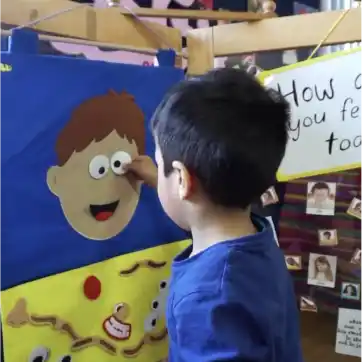
There is a growing recognition and understanding of the power of early thinking and learning in children. Most educators and behavioural scientists also firmly believe that science may be a notable learning domain in preschoolers. Being exposed to and learning about various science concepts becomes the basis for future scientific understanding and helps to build crucial attitudes and skills for learning as well.

Research and practice indicate that young children have a greater potential to learn and absorb knowledge and concepts than previously thought. It’s why early childhood settings like preschool should provide more challenging and vibrant environments for learning. When guided by skillful and experienced teachers in these environments, children’s experiences in their early years can have a considerable impact on their learning later in life.

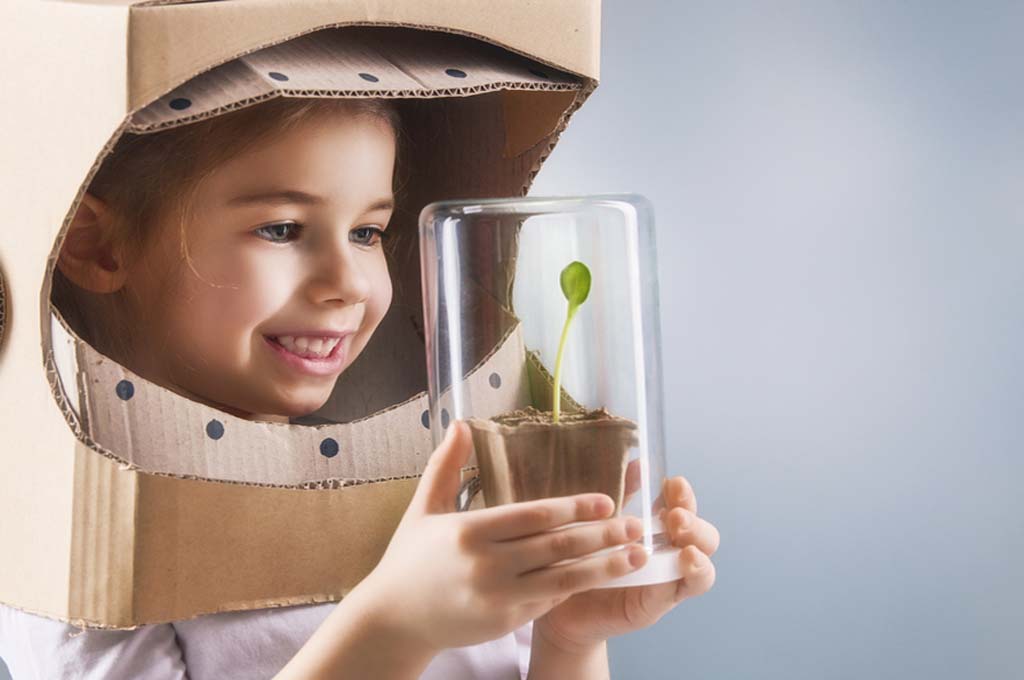
Science plays a key role in our lives, regardless of whether we actively focus on it or not. It isn’t just for high school students studying biology or college students taking chemistry. Preschoolers too have the competency to develop scientific thinking by understanding scientific concepts. Early science experiences are crucial to the educational growth and development of young children. Let’s take a look at and the role that science has to play in early childhood education.

Curious how science-based learning can support your child's development?

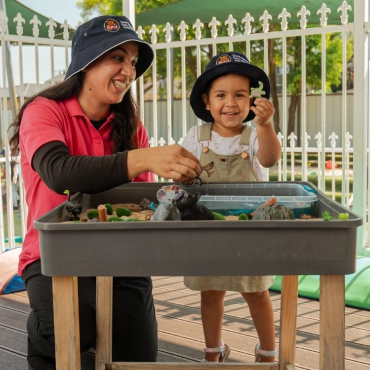
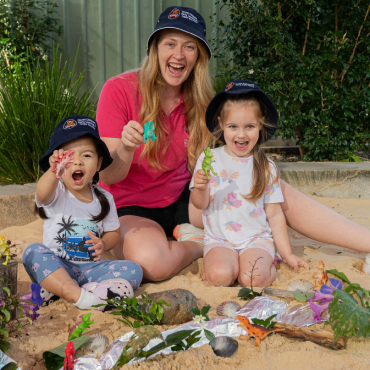
At Clovel Childcare, children are encouraged to explore, question, experiment, and discover through hands-on learning experiences that build confidence, curiosity, and a lifelong love of learning.

Role of science in early childhood education

1. Building Strong Foundations

Teaching children science concepts and topics during preschool can help to build a solid foundation of a lifelong interest in these subjects. Also, these learning experiences can set children up for academic success by fostering a more positive and proactive attitude towards learning.

Various foundational science skills which preschool teachers impart to students can help improve their problem-solving skills, think critically, and better understand the world around them. The other crucial components of early science education include specific concepts such as learning about the weather, plants, and animals, etc. All this exposure and learning can help children later in life.

2. Developing Literacy

While children must look at the pictures in books and learn to read them during their preschool years, that isn’t the only activity that matters. There are many other aspects and teaching concepts that encourage literacy and language development. Any projects or lessons and learning sessions that rely on the use of written and verbal communication can prove to be an essential aspect of academic growth.

Different types of exciting and straightforward group science projects and experiments invite discussion. These discussions help to increase the use of positive language. Making observations and predictions and drawing conclusions allows very young children to verbalize and use their critical thinking skills. These become mental reasoning exercises that keep children thinking actively.

Some Important Aspects

In addition to various discussions in the classroom, the use of vocabulary through engaging science lessons plays a vital role in developing literacy in the early years. When preschool teachers use different scientific vocabulary words, including habitat, species, life-cycle, and microscope, etc. it helps the students build their language skills. The children can use these during their later schooling years and after that too.

The content of science for preschool children is a very sophisticated interplay of the nature of science, scientific reasoning, and concepts as well as doing science. It not just about the science of information. While it’s essential to learn the facts children need to start to build a stronger understanding of the basic concepts and how they apply & connect to the world around them.

We at Clovel Childcare and Early Learning Centres, provide a very nurturing environment for children to learn and grow. For any information about our services, give us a call at 02 9199 0294 or fill in this contact us form

Thanks for reading,
Clovel Childcare
1300 863 986
Lyn Connolly
Founder and Company Director

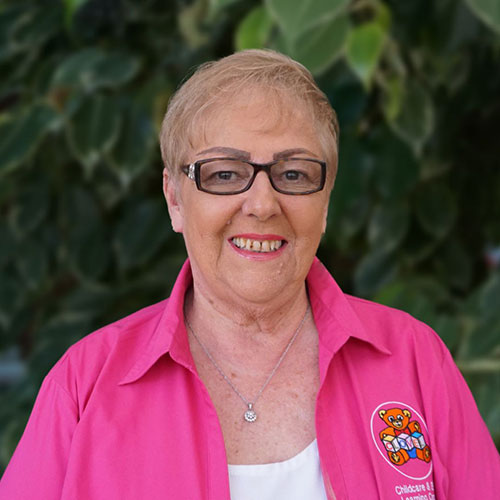
Lyn Connolly is the Founder and Company Director of Clovel Childcare & Early Learning Centres, a family‑owned group of eight centres across Western Sydney established from her first service at Merrylands. Active in early childhood education since 1977, she also serves as President of the Australian Childcare Alliance (ACA) NSW, representing providers in state and federal consultations, media, and public hearings.

Still Have Some Questions?