


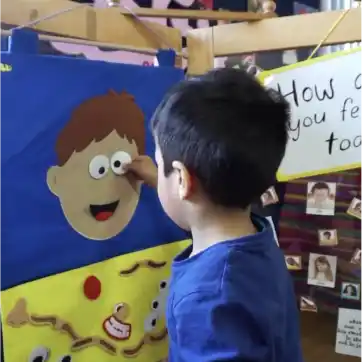
It is not uncommon for people to think of preschool as nothing more than glorified babysitting, yet nothing could be farther from the truth. Developmentally, the preschool years—generally considered to be children 3–5 years of age—are a time of spectacular brain development. In fact, researchers estimate that a mind-boggling 90% of brain development occurs by the time a child is five years old.
Therefore, it stands to reason that parents should be heavily invested in the activities offered by their child’s preschool. These activities can have direct and long-lasting repercussions on a child’s developmental achievements, affecting their language skills, physical dexterity, socialisation, emotional development, and critical thinking skills. And, most of the activities listed below can be integrated into a child’s home life, allowing parents to support the work going on in the classroom.
Let’s take a look at the three main areas of development and fun activities that can encourage developmental growth in your child.
Cognitive Development
Anyone who’s spent time around a toddler knows the questions that come from them can be never ending:
“Where are we going? How long will it take? When are we leaving? Why do we have to go?”
As challenging as the rapid-fire questioning can be, the truth is learning to ask questions is a critical component of cognitive development. Assessing cognitive development—how a child thinks, explores and problem solves— helps teachers understand how knowledgeable a student is and whether or not the child is prepared for the rigor of grade school.
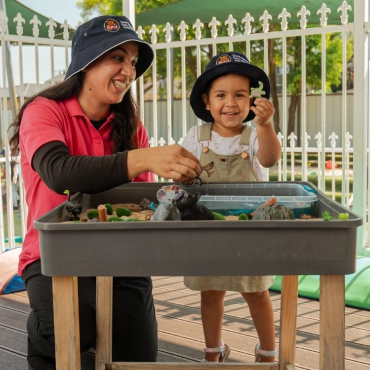
Preschool learners are eager to understand how the world works, and the best way to help them learn is through purposeful play. Activities will most certainly vary, depending on the age of your preschooler. For the purpose of this article, we’ll talk about children in the later stages of preschool, ages four and five. Here are some fun activities that also improve cognitive development:
Memory – We all remember playing the card game requiring you to turn over two cards in an attempt to make a match. It just so happens that this game is great at helping older preschoolers improve their memory and problem solving skills.
Puzzles – Putting pieces together in a puzzle is another activity that is entertaining for children and benefits them developmentally. Because pieces only fit one way, the act of going through the testing of pieces as you fit them into the puzzle, and dealing with the results (did it fit or not), hone a child’s problem-solving skills and can improve patience as they work through all of the pieces.
Sequencing – Using information they already know to place events in sequential order is a wonderful way to improve a student’s sense of time. Sequencing cards often depict a series of events and the child is required to place the cards in the correct order. An example might be a picture of a snowman, followed by a partially melted snowman and, finally, a card with a puddle of water.
Language Development
Age-appropriate language skills are invaluable to a child—after all, this is how your child verbally interacts with the world. Helping your child learn to speak in complete sentences, to recite information they’ve heard, and to communicate clearly are skills your child will use long into adulthood. Here are a few activities that can help with language development:
Rhyming Activities – by learning and practicing rhyming skills, children develop a better understanding of the correlation between letters and sounds. This is crucial in laying the foundation for them to become accomplished readers as they enter grade school.
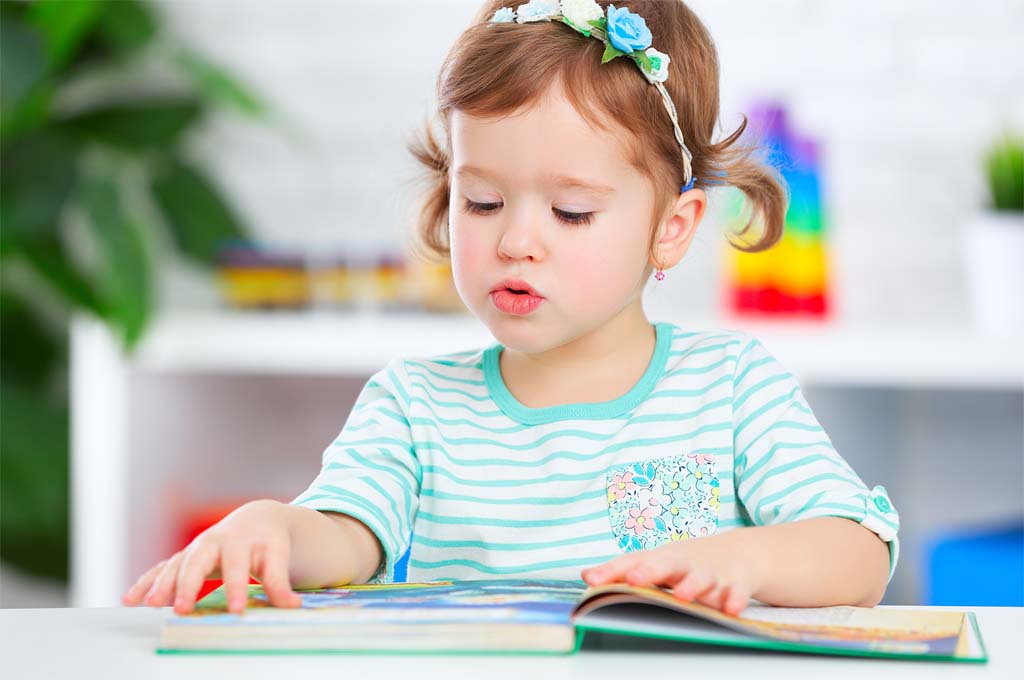
Reading and Retelling Books – Reading to children is still one of the best (and easiest) ways to build their language skills. Encourage children to retell familiar stories using a picture book as a guide. Have them act out stories with dolls or puppets.
Dramatic Play – Allowing students time to role play can contribute to strong language development. Having a dress-up box and providing access to imaginary play items like telephones can encourage children to use their voices along with their imaginations.
Physical Development
Oh, to have the energy of a preschooler! Their well of energy seems to be never ending and physical activity is critical to their development. Physical activity helps children improve their fine and gross motor skills, builds confidence, and improves their social interactions with peers. Here are some activities that can contribute to physical development:
Playing with Blocks – Block and building play are wonderful for improving fine motor skills and hand eye coordination. They also help children better understand the world around them and help them make cause and effect connections.
Throwing Balls at Targets – Whether you encourage children to play basketball or simply have them throw small, soft balls into a basket, the practice of aiming, throwing and adjusting are wonderful for developing fine motor skills and hand eye coordination.
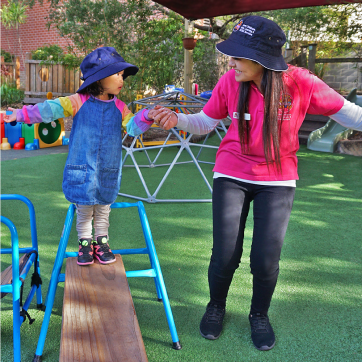
Running an Obstacle Course – Setting up a simple course where children must run, jump and crawl is a fun way to improve gross motor skills—those activities that use the muscles in the limbs and trunk of the body—while expending energy and enjoying physical activity.
Parents and teachers can maximise the preschool phase of brain development by offering enjoyable activities targeted at improving cognitive, language and physical development. Through well rounded activities, children develop skills they will need for grade school and that will serve them well into adulthood.
For any more information, call Clovel Childcare and Early Learning Centre, don’t hesitate to get in touch with us. For any information about our Educational Programs, give us a call at 02 9199 0294 or fill in this contact us form.
Thanks for reading,
Clovel Childcare
1300 863 986