




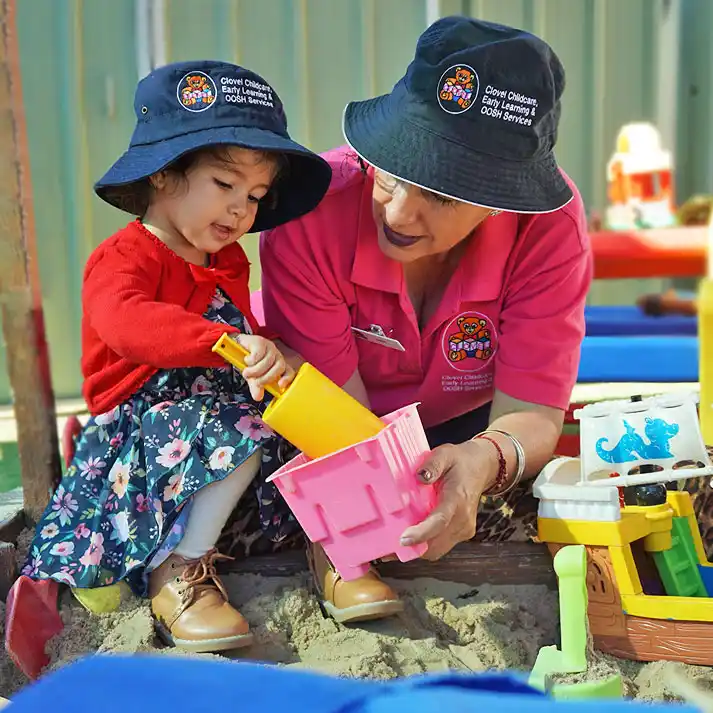


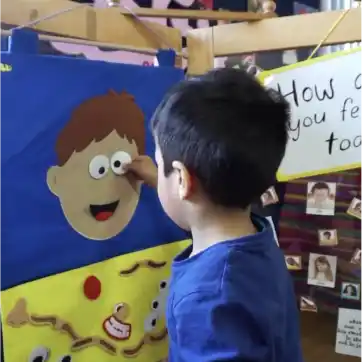
It is no secret that we at Clovel are shameless cheerleaders for imaginative play throughout childhood. The incredible significance of this type of roleplaying in the lives of preschool-aged children cannot be understated. Imaginative play not only brings joy and fun into their lives but also plays a vital role in their overall development.
Today, we want to emphasise the importance of imaginative play and provide parents and caregivers with a few valuable tips on how they can actively engage and join their children in the delightful world of pretend play.
Unlocking Boundless Creativity
Imaginative play is the gateway to a child’s boundless creativity. It is through this magical realm that children can explore, experiment, and express themselves freely. Whether they become superheroes, doctors, chefs, or princesses, imaginative play allows children to step into different roles and explore various scenarios. This imaginative adventure nurtures their creativity, fosters problem-solving skills, and stimulates both cognitive and emotional growth.
Developing Social and Emotional Skills
When children engage in pretend play with their peers or adults, they learn the art of communication, cooperation, negotiation, and empathy. Through role-playing, children can better understand different perspectives, share ideas, and work together to create imaginative scenarios. These experiences lay a strong foundation for their future interactions and relationships.
Enhancing Cognitive Abilities
Imaginative play goes hand in hand with cognitive development. When children engage in make-believe situations, they engage their minds in complex thinking processes. They plan, problem-solve, organise, and think critically, all while immersed in the world of their imagination. These cognitive skills become vital building blocks for future academic achievements.
Tips for Parents to Join the Fun
Parents play a crucial role in nurturing their child’s imaginative play. Here are a few tips to help you actively engage and join your child in the wonderful world of pretend play:
- Create a Playful Environment: Set aside a dedicated space in your home for imaginative play. Fill it with dress-up clothes, props, and age-appropriate toys that encourage imaginative play. Provide craft items so your child can turn construction paper into crowns and pipe cleaners into snakes.
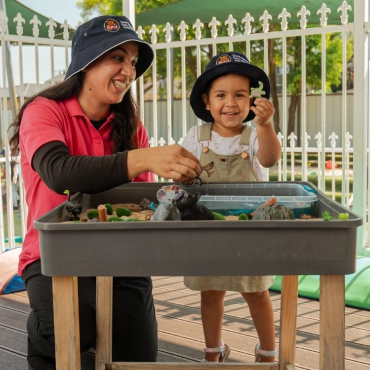
This will inspire your child and provide them with the necessary tools for their imaginative adventures. - Be a Willing Participant: Be open to joining your child’s imaginative play! Embrace the opportunity to step into different roles and characters and allow your child to take the lead.
Look for opportunities to ask leading questions that will help your child imagine what a pretend character is feeling…It sounds like the king you are playing lost his puppy. How might that make him feel?
Don’t be afraid to act silly, belly laugh, or pretend cry as you join your child in this sort of play. By actively participating, you show your child that their ideas and imagination are valued. - Encourage Open-Ended Play: You may have ideas for the direction of the story your child is creating, but it is important to let them lead you in play. Open-ended play allows your child to use their imagination without having any sort of goal or end game in mind.
Provide your child with open-ended toys like building blocks, art supplies, or simple objects that can be transformed into various things. These types of toys stimulate your child’s creativity and imagination, allowing them to freely explore and create their own narratives. - Immerse in Storytelling: Read stories together and encourage your child to retell or create their own versions of the story. This helps them develop language skills, expand their vocabulary, and strengthen their storytelling abilities.
- Support Unstructured Playtime: Ensure your child has ample unstructured playtime without screens or structured activities. This allows them to initiate and lead their own play experiences, fostering independence, and imaginative thinking.
- Don’t be Afraid to Ask Teachers: If you’re still stuck trying to figure out the best way to promote imaginative play with your child, set up an appointment with your child’s daycare or preschool teacher. They have a wealth of knowledge on the subject of play (and your child!) and will be able to offer suggestions tailored to your child’s personality.
Remember…the goal is not to direct or control your child’s imaginative play but to provide them with a nurturing environment that sparks their creativity and supports their development. By actively engaging in their play, you are fostering a strong bond with your child and creating lasting memories.
Imaginative play is a powerful tool that can unlock the immense potential within every child. By encouraging and joining your child in the world of pretend play, you are giving them the gift of creativity, social skills, and cognitive growth. So let your child’s imagination soar and get ready to embark on wonderful adventures together!