



Children of all ages can benefit significantly when they are correctly socialised, and this is an essential and healthy aspect of growing up. Children that are not encouraged to socialise regularly or allowed to do so can become extremely withdrawn.
They will also have problems getting along and interacting with their peers and other people they meet. Children learn more about the world around them and how to behave with others through the socialisation process. This aspect makes it a crucial part of childhood.
Understanding When Socialisation Begins
Socialisation is something that starts soon after birth. A child’s younger years are the most vital in this process. Via socialisation, your child is exposed to language, manners, learning more about society and your culture. It also helps them and their personality. Whenever children are socialised successfully, they can fit much better into society. It helps them in their later years, and they can get along with those around them more easily.
Types of Socialisation
There are two basic types of socialisation in any society:
- Formal socialisation – This type of socialisation takes place through the education system. Children gain this learning in a more controlled and structured environment and manner because they have to interact with other children their age. Supervision from the teachers helps ensure that children can mingle in a better way with their peers and learn how to socialise with them.
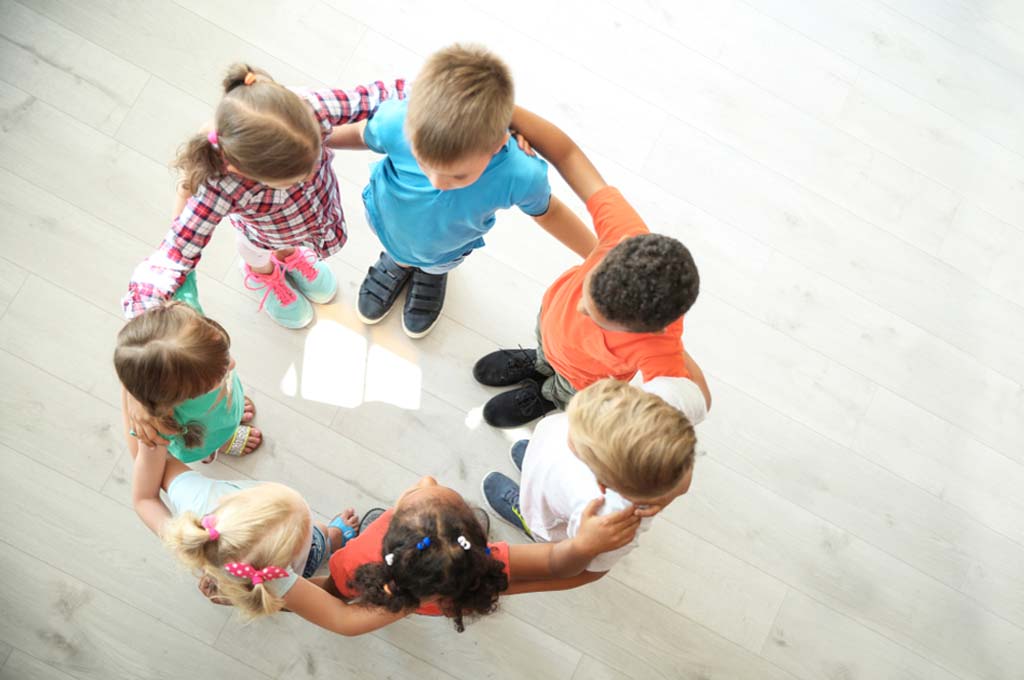
- Informal socialisation – This can take place just about anywhere and involves children spending time with other children and role-playing. Informal socialisation can take place in preschool settings as well as casual settings such as parks, community centres or even during playdates.
Different people from different cultures will have specific socialisation preferences and is another aspect that needs to be kept in view.
Why Is Socialisation So Crucial For Children?
Social development isn’t a standalone aspect of a child’s learning. It is intertwined with various other elements of their overall development. This makes it necessary to ensure that your child can socialise with other children sooner than later. Social interaction can help young children to begin developing their sense of self very early. It also helps them to start learning and understanding what people around them expect them to do.
Most parents are very eager to introduce their baby to new people, new activities and places. All these things are part and parcel of socialisation.
And that is how they learn more about emotions, people as well as aspects such as empathy. They learn how to nurture relationships, be generous, or learn about trust. While all of these may not seem very evident when you are helping your child socialise with others, they imbibe these things slowly and steadily, which helps them develop a more well-rounded personality as they grow up.
Is Your Child Developing The Right Social Skills?
There are some questions you need to be asking yourself to determine whether your child’s social skill development is on track:
- Does your child show compassion towards other children?
- Do they get along very well with their peers?
- Does your child show interest in playing and spending time with other children?
- How well does he/she get along when they are in groups?
Encouraging Social Development in Your Child
There are many different ways in which you can encourage your child to interact with others positively and proactively. At the outset, you would have to show them the way subtly without forcing them. Ultimately, you will find that they begin to make these efforts themselves and are more proactive with socialisation. Some of the things you can to include:
- Encourage your child to play regularly with other children.
- Keep them involved in smaller, call group activities such as taking them to a weekly playgroup or story time session at a local library.
- Encourage sound social skills whenever you can.
- Include your children in various social gatherings.
- Try some role-playing with your child.
- You can also explain how they can make friends and play with others.
Every child needs the opportunity to play with children their age. Similarly, that need to be around adults in social settings. When your child is socialising, you should intervene only when necessary. Be forthcoming with positive feedback so that they are more confident when in similar settings the next time. If you feel that things don’t go well, you can explain to them how they can do things better when they are among people the next time.
Socialisation at Preschool
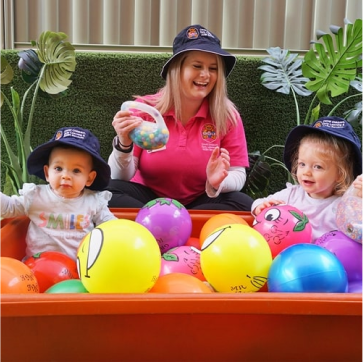
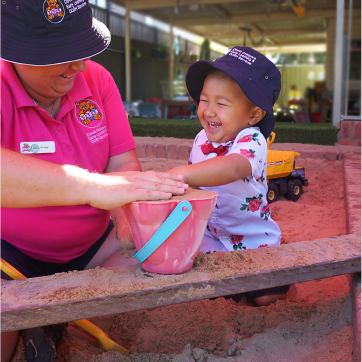
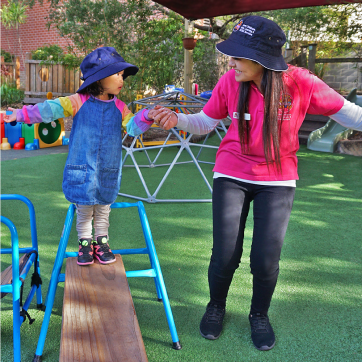
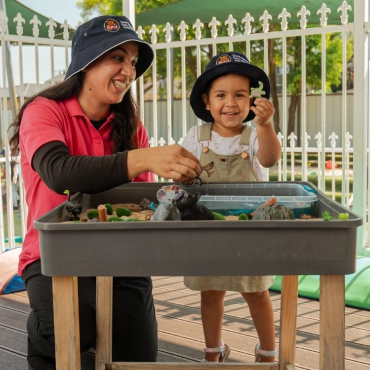
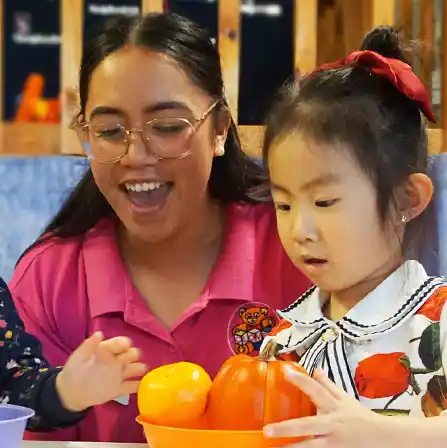
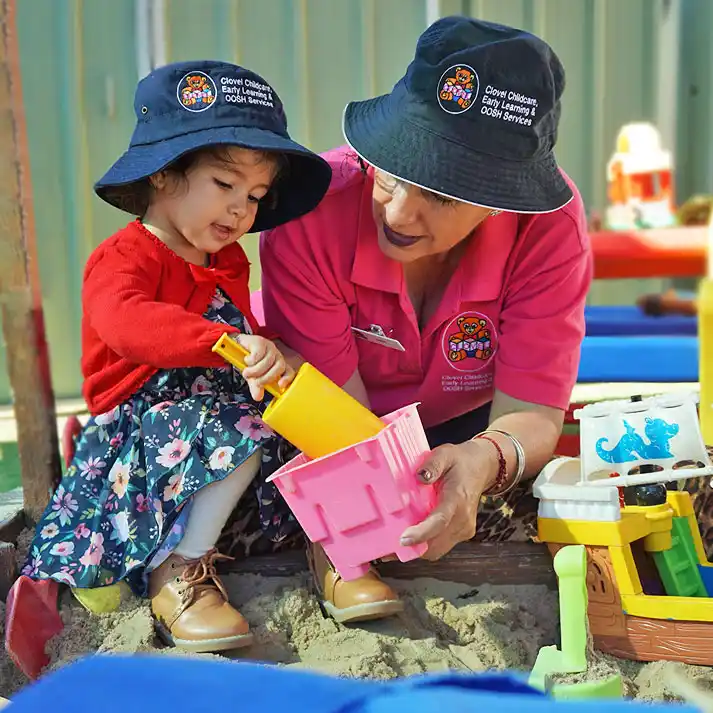
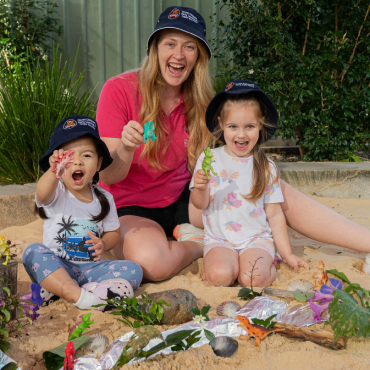
Another right way to encourage social interaction in children is to send them to a child care centre or a preschool. It gives them exposure to other children their age, and they can reach various other developmental milestones in a more structured setting. When your child plays with other children, they can pick up skills that stay with them their entire life.
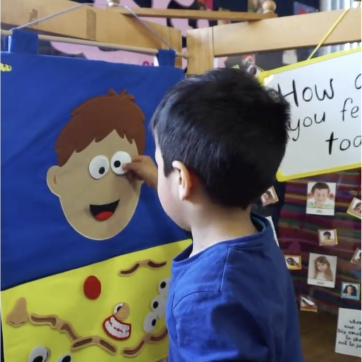
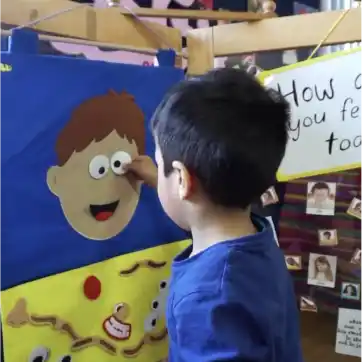
By nature, young children tend to be quite egocentric. When you send them to a child care centre or preschool, it helps them come out of that phase naturally. Problem-solving, setting boundaries and sharing are all part of that interaction and socialisation. Children also learn to be more empathetic towards others as they can recognise when their friends are happy, sad, or mad at them. Slowly, children begin to use these skills even when they are outside the preschool environment, with their siblings, parents, and even their pets.
When you send your child to a credible preschool, it helps them become more disciplined and learn the consequences of their behaviour. They start picking up social clues and develop their understanding of the reactions and behaviour of those around them. They also begin to recognise what kind of behaviour is acceptable when they are with others and what isn’t. When your child goes to child care or preschool, they get the consistency needed for this kind of structured social development, improving their maturity.
The aspect of is more important now than ever in the current pandemic situation, where people are increasingly social-distancing, and children don’t have regular opportunities to interact with other children their age. The isolation can have a negative impact on a child’s psyche and you need to be more mindful about socialisation at this juncture.
Choose the Best Preschool or Child Care Centre
While you can be very careful and mindful of how you teach your children different things while they are at home, you need to be cautious while choosing a preschool. Various aspects go into selecting the right preschool. However, when you lay the foundation for problem solving and socialisation at a young age, it will help your child develop a more well-rounded personality as they grow.
Excellent child care or preschool settings can benefit the development of your child significantly. Make sure the one you select has staff that is committed and experienced in the field. They should have a supportive approach while teaching and interacting with children. Keep all these aspects in view and ensure that you make efforts to hone your child’s socialisation skills at home.
For any more information, call Clovel Childcare and Early Learning Centre, don’t hesitate to get in touch with us. Just give us a call at 02 9199 0294 or via this contact us form.
Thanks for reading,
Clovel Childcare
1300 863 986