



There is often much debate on whether young children need to enter into a structured education program before kindergarten. After all, childhood is so brief, and the time children spend in school lasts until they are young adults. Is it really that important for children to experience an early childhood education between the ages of two to five?
The short answer is…yes.
The subject has been studied by some of the world’s top educational experts and the results are clear—children who receive an early childhood education, or ECE, are better prepared for the rigor of kindergarten than those who don’t.
But many parents have a hard time believing this to be true, partly because they see pre-school as a sort of glorified babysitting service. And therein lies the mistake. Early childhood education offers children a bevy of benefits that help them prepare for their future as a student. We’ve gathered a list of the top 5 ways receiving an early childhood education can benefit the life of your little learner.
1. Teaches Important Socialisation Skills
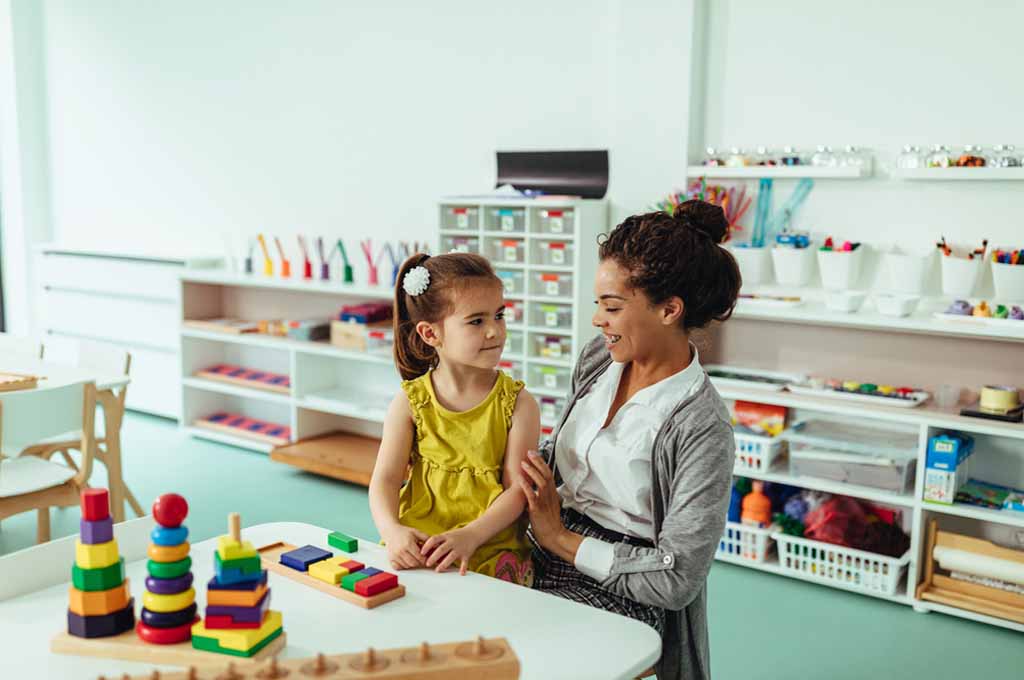
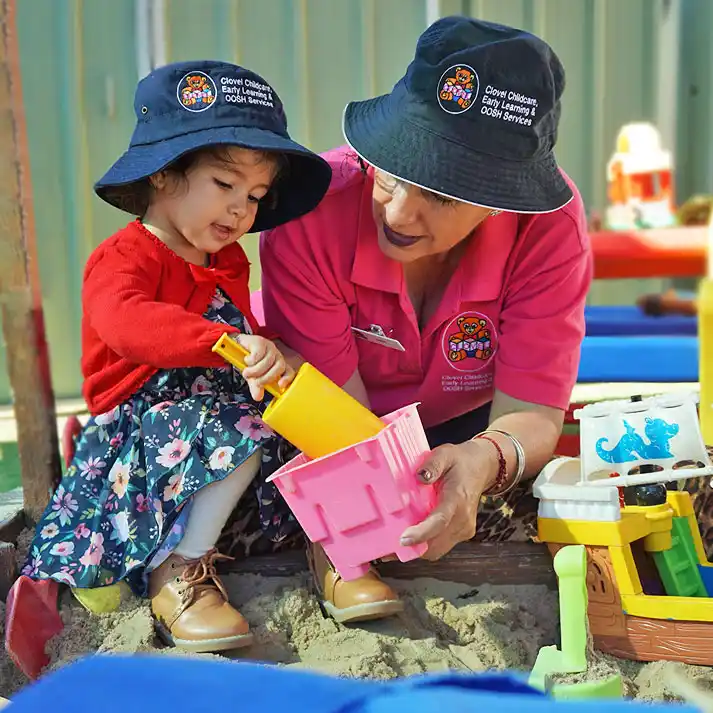
Parents and caregivers often underestimate the importance of learning socialisation skills like listening to instructions, taking turns, and learning to share with their peers. ECE teachers are masters at incorporating instruction into guided play and use music, stories, and games to teach children how to relate to one another.
Games like “I Spy” and “Simon Says” force children to hone their listening skills by carefully paying attention to descriptions or instructions. Playing simple board games like Candyland and completing puzzles together help children learn to take turns and share toys with one another.
2. Familiarises Children with the Idea of Structured Learning
Much of a child’s upper education centers around structured learning. Schools last for a set period, and students spend their day moving from one class to the next in a specific order.
ECE helps young children get comfortable with the idea of spending some time in a structured learning environment. And it just so happens that preschool-aged children love the comfort that comes from routine because it makes them feel safe, secure, and in control. Through structured learning, children begin to understand what is expected of them and learn the art of self-discipline. For example, a child may want to draw first thing in the morning but knows that art time comes right after lunch. He or she learns how to put off their own desires until the appropriate time.
3. Teaches Children How to Be Good Learners
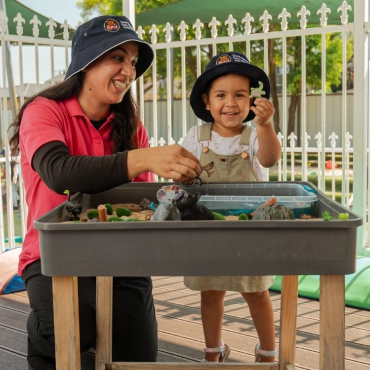
If you are a regular reader of our blog, you know we are advocates of play-based learning for preschool children, and it is through play that early childhood educators teach children the art of learning.
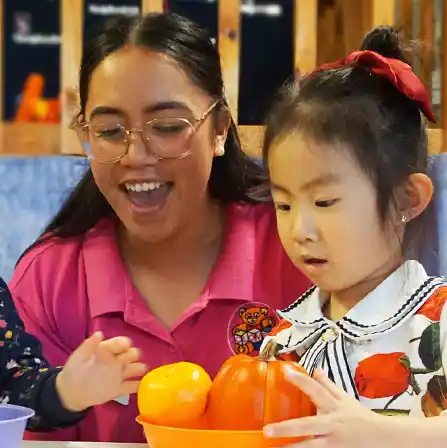
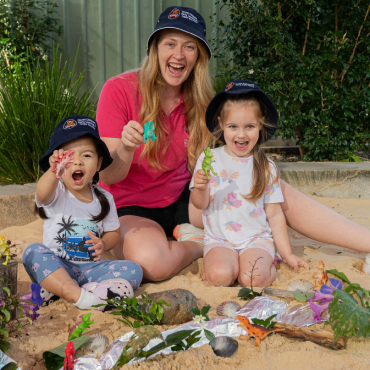
In an ECE environment, children are introduced to a variety of topics and concepts in a way that is fun and engaging, thereby developing a positive association with learning. Through songs, games, and play, ECE teachers lay the groundwork for a child’s future education.
4. Allows Children to Make Choices and Develop Confidence
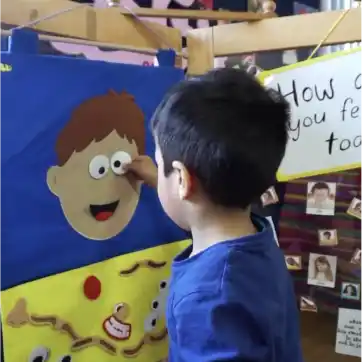
Teachers give students the autonomy to make choices throughout the day. Deciding which book to “read” during story time, which game to play, or which food to enjoy at snack time allows children to feel as if they have some control over what happens in their day and learning to make good choices is a skill a child will use for the rest of their life.
Early childhood teachers are also masters in the art of positive reinforcement. This praise creates in children the all-important “can-do” attitude that is necessary to try new things and build confidence. Whether a teacher is praising a student’s creation (“you are a great builder with blocks”) or their effort (“you worked so hard on your block tower and never gave up”), well-placed praise gives children the confidence to challenge themselves in new and exciting ways.
5. Improves Attention Span
If you’ve spent any time with children of pre-school age you know holding their attention for any length of time can be a challenge. An important component of ECE is helping children learn how to block out noise or visual distraction and focus on the task at hand.
Learning when it is time to work and when it is time to play is an integral part of most preschool curriculum, and teachers facilitate this through the careful scheduling of the day’s routine. Expect to see learning periods broken up with activities that get children moving (like recess) or using another part of their brain (like moving from fine motor skill activities to music and dancing).
For parents, the message is clear—finding the right ECE program for your young learner means he or she will be better prepared when the time comes to enter kindergarten. Look for a facility that balances structured learning with physical activity and, most importantly, prioritises learning through play.
Thanks for reading,
Clovel Childcare
1300 863 986