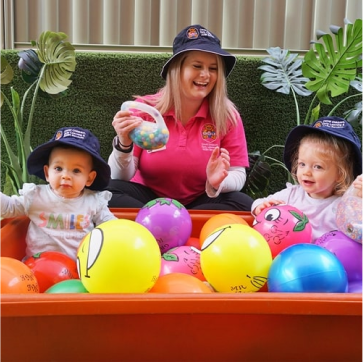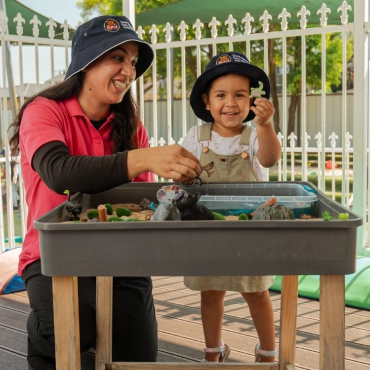

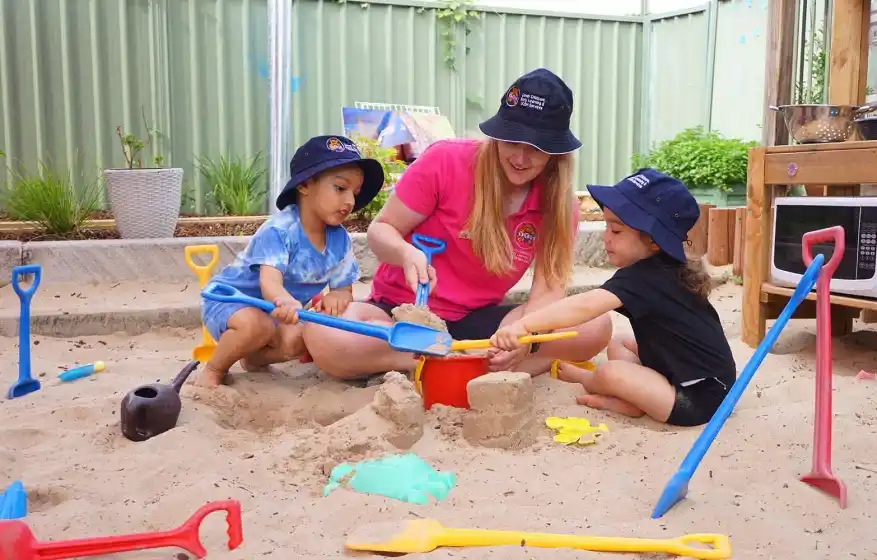



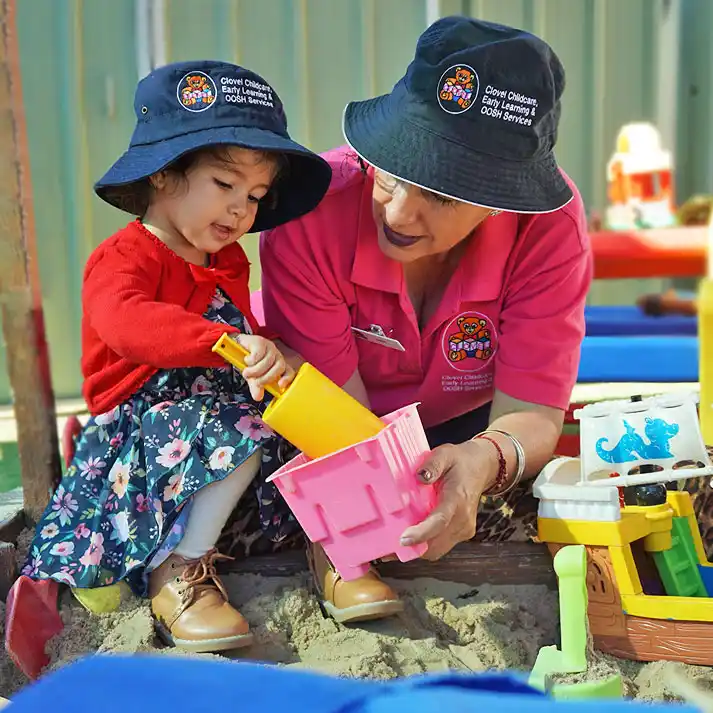
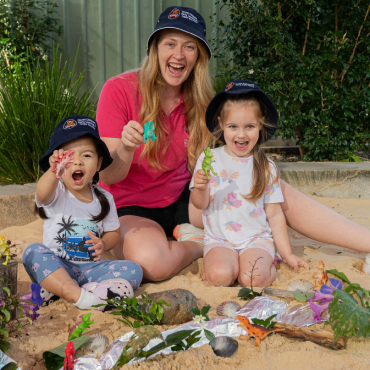

In this article, we are going to discuss the benefits of outdoor play for children. Children are learning at every possible opportunity, and it is our job to facilitate it in any way we can. The chance to explore the world around them plays a significant role in their physical, cognitive, social, and emotional development, making nature activities for toddlers a fundamental part of what we do at Clovel Childcare.
Understanding the relationship between outdoor play and child development ensures that we can create an environment that integrates activities that allow a child to move around, process thoughts, and explore at a pace that suits them. We go the extra mile to help their learning journey in every possible way.
The Key Benefits of Outdoor Play for Children
By finding the perfect balance between nature and learning, a child has the opportunity to thrive in many ways. Here are just a few benefits of outdoor play for children.
Enhanced Physical Development
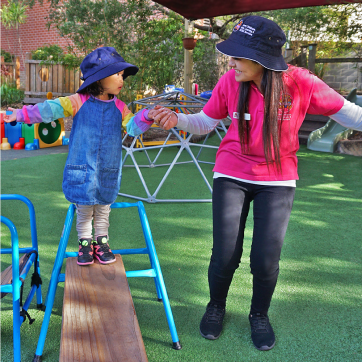
By ensuring a high standard of physical activity in childcare, we are able to nurture a child’s well-being in numerous ways. Outdoor play involves plenty of physical activity, helping them to develop strength and coordination and improve their overall health.
Cognitive and Problem-Solving Skills Through Nature
Being outdoors is a brilliant way to promote child development through play. A considerable part of our science program involves being in nature, providing endless opportunities for them to engage in their own curiosity, solve problems, observe, draw conclusions, and develop ideas. Outdoor learning in early years education is a holistic experience that encourages tremendous cognitive growth and meaningful engagement with the world around them.
Social and Emotional Growth in Outdoor Settings
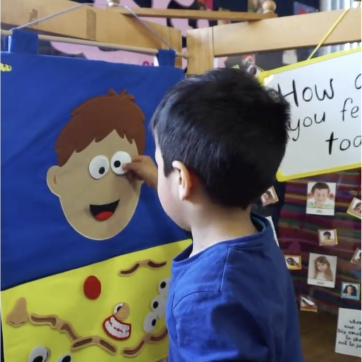
The outdoors is an excellent environment for unstructured play. When play is unstructured, it helps a child develop essential social and emotional skills. Outdoor environments also improve collaboration skills, resilience, independent thinking, and confidence, each a vital life skill.
Strengthen Creativity and Imagination
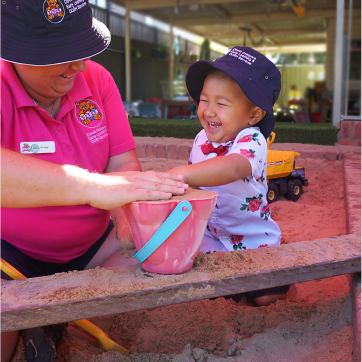
Finally, another fantastic benefit of outdoor play for children is how it encourages them to use their imagination and think creatively. The natural world is the perfect canvas for children to delve into a world of creative expression. Outdoor settings encourage open-ended play where children are pushed to use their imagination, creating a world from simplistic tools such as sticks, leaves, sand, or mud. We firmly believe that outdoor play and child development go hand in hand, enhancing imagination and creativity in every moment. Through creative outdoor activities, children begin to make sense of the world around them and can start to use their skills and knowledge outside of a formal educational setting.
How Outdoor Play Supports Early Learning
Outdoor learning in early years education helps children grow, develop, and practice their skills. As you can see, there are multiple benefits when we encourage children to play and get creative outdoors. Creativity is how a child reinforces their skills and knowledge and thus develops a much broader understanding of the world around them. Supporting child development through play is a huge part of what we do at Clovel Childcare.
We all know that exposing ourselves to the great outdoors helps us to feel fantastic. Nature has a way of provoking thought, innovation, and inspiration in us, and it is precisely the same for children, too. When children are outdoors, there are far fewer distractions, which massively enhances their attention span and ability to learn and absorb new information. This also leads to improved memory, focus, and receptiveness to learning. Additionally, nature also has a calming effect, which can reduce stress in everyone, including young children. Overall, the experience of playing outdoors plays a significant role in enhancing emotional regulation, motivation, engagement and boosting a child’s confidence. This is why it is imperative to incorporate nature activities into your child’s routine.
We have spent a lot of time focusing on how outdoor play enhances social and emotional growth, boosts their confidence, and encourages them to be creative. Still, there are other things at play when a child is actively engaging with the natural world. The benefits of outdoor play for children extend far beyond the concepts mentioned above and begin to trickle into their understanding of numeracy and literacy, too, helping them to prepare for the world that awaits them after early years education. Outdoor environments provide a child with endless opportunities to play and learn. Playing with other children helps them excel in oracy by communicating with others or telling stories, while certain games will encourage them to count. Even on their own, children tend to develop an intrinsic love for numeracy in activities like counting leaves or insects and measuring objects against each other. At Clovel Childcare, we provide a literacy program and a numeracy and math program that seamlessly blends nature and learning, giving your child the best opportunity.
FAQs About Outdoor Play and Child Development
How much outdoor play is recommended for toddlers?
It is recommended that toddlers should play outdoors for 1 – 3 hours daily, but there is no harm in encouraging more.
What are some easy ways to encourage outdoor play at home?
There are several ways to increase outdoor play and child development at home. Create exploration zones and outdoor sensory corners, have scavenger hunts, or simply allow them to explore your garden.
Is outdoor play safe for young children?
Like all play, it should always be facilitated by an adult and carried out in the safest possible environment. If you would like advice on building a safe and well-structured outdoor play environment, please contact Clovel and we will be glad to help.
What if my child doesn’t seem interested in outdoor play?
If your child doesn’t seem interested yet, it can be helpful to introduce themed activities inside the home that might encourage them to want to explore the outdoors. Additionally, involving other children is a great way to encourage them.
How does outdoor play benefit children’s mental health?
The more a child plays outdoors, the better their mood is and the less likely they are to experience stress. Outdoor play gives them a sense of freedom and helps them relax while developing emotional resilience.