



Blog & Videos

edible science experiments your preschooler will love

3 Engaging and EDIBLE Science Experiments Your Preschooler Will Love

If you have heard that the rules around mobile phones and electronic devices in early childhood settings have changed, you are right. If your child attends a childcare centre in NSW, these changes are already in effect.

Here is a plain-English breakdown of what changed, why it happened, and what it means for your family.

Why Did the Laws Change?

The changes were introduced as a child safety measure. In 2025, Australia’s Education Ministers agreed to amend the Education and Care Services National Law to address concerns about the potential for personal devices to be used to capture, store, or transmit images of children in care without authorisation.

The intent is straightforward: children in early learning settings deserve an environment where their privacy and safety are actively protected.

What Changed Nationally

From 27 February 2026, amendments to the national Education and Care Services National Law took effect across Australia. Under these changes, educators and staff who work directly with children are restricted from using personal electronic devices in care settings.

Before this, from 1 September 2025, all early childhood education and care services nationwide were required to have written policies in place addressing the use of digital devices.

What Changed in NSW

NSW moved ahead of the national timeline. The Education and Care Services (Supply, Authorisation and Use of Devices) Order 2025 took effect on 6 November 2025, applying across NSW’s 6,000 or more early learning services, including long day care centres, preschools, and family day care.

Under this order, educators and staff must use service-issued or service-authorised devices rather than their own personal devices when working directly with children.

What Counts as a Personal Device?

The definition is broad. A personal device is any device owned by an individual (not the approved provider) that is capable of capturing, storing, or transmitting an image. This includes:

  • Mobile phones
    Smartwatches
  • Cameras and tablets
    iPads and laptops
  • Hard drives, USB drives, and memory cards
  • Wearables such as camera glasses

Who Does the Ban Apply To?

The restrictions apply to anyone working directly with children at a service, including permanent and casual educators, students on placement, volunteers, contractors, and allied health professionals delivering programs on-site.

Parents, carers, and other visitors are not covered by the ban. In NSW, parents and carers remain free to use their personal devices during drop-off, pick-up, centre visits, and events involving their own children. There are also authorised exceptions for essential purposes, including emergencies and health or disability support needs.

What About Screen Time for Children?

These new laws specifically address staff device use, not children’s screen time. Screen time limits for young children are not mandated within childcare regulation at a national level.

The relevant guidance comes from the federal Department of Health and Aged Care’s 24-Hour Movement Guidelines, which recommend no screen time for children under 2 years, and no more than 1 hour per day for children aged 2 to 5 years. These are health guidelines, not regulatory requirements.

What This Means for Your Family

If your child attends a childcare centre in NSW, their service is already required to operate under these rules. Any educator or staff member working directly with your child should not be using a personal device to take photos or videos. Only service-authorised devices should be used for that purpose.

If you have questions about how your centre handles digital devices or image capture, you are well within your rights to ask. Most services will have a written policy in place that covers exactly this.

At Clovel, the safety and wellbeing of every child in our care is at the heart of everything we do. If you would like to know more about how we support your child across our centres, we would love to have that conversation with you.

Children make sense of the world around them through the experiences they have interacting with it, and much of those experiences involve their senses. The young brain is shaped by what a child sees, hears, touches, smells…and tastes. And it is that final sense that we will be exploring today.

Recent research finds that taste has a profound effect on our ability to retain memories of certain events. It’s the reason biting into a sugar cookie as an adult can take us back to our own childhood and baking the same cookies with a beloved grandparent. Or the smell of a bubbling pot of curry reminds us of weekend dinners with extended family.

We’ve all seen a baby reach for a toy then immediately place it in their mouth. Doing so allows them to explore shape, texture, and, yes, the taste of the object. Not only is this type of “mouthing” normal, it is an important step in their development. In fact, by the age of 6 months, a baby receives more information through their mouth than from any of the other senses.

As they grow, children continue to gain a better understanding of the world through their sense of taste. And expanding their palette to a variety of tastes and flavors reduces the risk of your child becoming a picky eater.

That’s why we’re sharing 3 of our favorite edible science experiments. These activities are easy to create and, with a little parental supervision, can engage your child’s mind in new and exciting ways.

Making Butter

While many children love the taste of fresh butter, few understand how it is made. This activity is fun for a variety of reasons—it helps children burn off a little energy through physical movement, it provides the excitement of discovery, and it tastes delicious once the experiment is complete.

We love this easy-to-follow recipe (with a kid-friendly video included!) from Pre-K Pages. All that’s required is a jar with a screw-on lid, some cold thickened or heavy cream, and strong hands for shaking.

Help your child pour heavy cream into a jar and seal tightly with the lid. Then let the shaking commence. It requires approximately 8 – 15 minutes of shaking before the cream will begin to thicken. We all know 8 – 15 minutes is an eternity for a child, so be sure to stop occasionally and open the jar so they can see the transformation that’s taking place. Eventually, the cream will separate into butter solids and whey.

Pour off the liquid, add a pinch of salt, and let your child taste the fruit of their labor on a cracker or piece of bread.

Fizzy Sherbet Powder

If you’re looking for a quick experiment that comes together in a flash, try this recipe for fizzy sherbet powder. It’s perfect for getting little hands involved and can be whipped in less than 10 minutes.

Here, you’ll need a few more ingredients than what is required to make butter, but most can be purchased at your local grocery store. Kids will enjoy helping you measure out ingredients and this provides the perfect time to teach them how to level off measuring spoons when baking or putting recipes together.

Combine baking soda, citric acid (available at most grocers) icing (or confectioner’s) sugar, and any flavor of Jello powder that your child loves. Mix everything together then let your child dip their finger into the powder and give it a taste. They’ll be amazed by the slightly sour, slightly sweet, and totally fizzy flavors that dance in their mouths!

Taste-able Slime

There’s only one thing that could make children love slime even more…make it taste-able! It’s important to note, while some sites share recipes for “edible” slime, most are made with ingredients that, while food safe, wouldn’t make tummies feel good if consumed in large quantities. That’s why we’re calling this “taste-able” slime. Made with marshmallow fluff, it is perfect for molding and enjoying a small bite.

This recipe from Little Bins for Little Hands requires 3 simple ingredients—a jar of marshmallow fluff, cornstarch, and food coloring…that’s it!

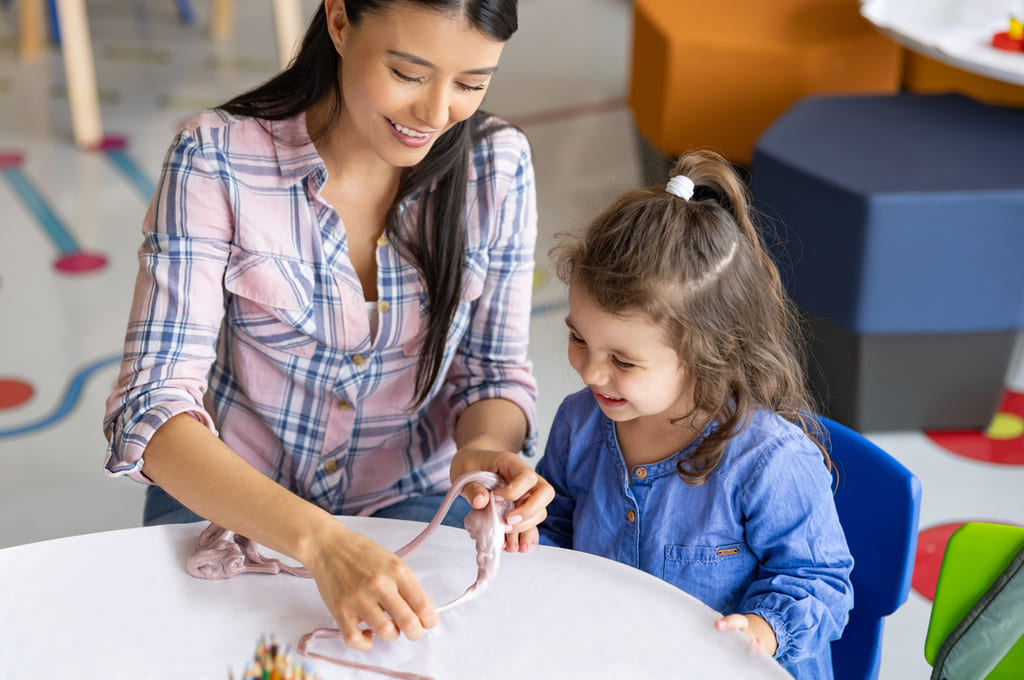
Simply mix the ingredients together (you can divide the dough into smaller portions and color each portion a different shade using your food coloring). Then let your child have fun squishing, rolling, and cutting their slime with cookie cutters. You can also let them combine dough in primary colors to see what new color results.

The kitchen is a perfect place for combining science, learning, and tasting. By engaging with your child as he or she engages her sense of taste, you’ll create lasting memories that both you and your child will treasure.

Happy tasting!
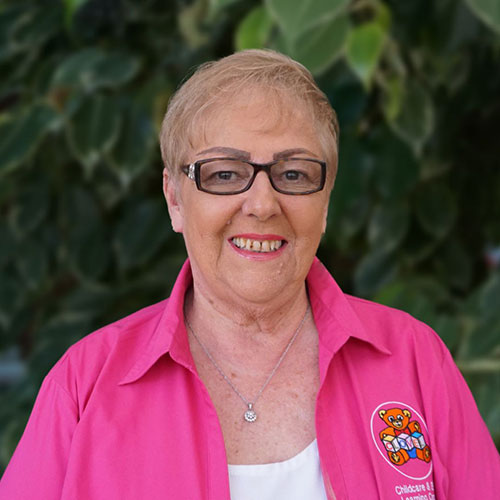
Lyn Connolly
Founder and Company Director

Lyn Connolly is the Founder and Company Director of Clovel Childcare & Early Learning Centres, a family‑owned group of eight centres across Western Sydney established from her first service at Merrylands. Active in early childhood education since 1977, she also serves as President of the Australian Childcare Alliance (ACA) NSW, representing providers in state and federal consultations, media, and public hearings.

Still Have Some Questions?