





As parents, providing a well rounded childhood for our children is of utmost importance. Balancing education, play and opportunities for social interaction can fill up your daily schedule. For some parents, there is a concern that pushing the educational aspect too soon can cause educational burnout – after all, they’re in school for nearly two decades if they pursue a college education. Is education in early childhood really necessary?
The short answer is an unequivocal yes. Studies show that children who have access to early education benefit from improved cognitive abilities, are more social and exhibit a higher level of self-esteem. As former U.S. president, Barack Obama, once said, “Study after study shows that the earlier a child begins learning, the better he or she does down the road”.
Let’s look at few reasons why early childhood education (ECE) matters:
Creates Excitement for Learning
When children enter an ECE environment, they receive instruction via lesson plans created by educators who know how to spark excitement for learning.
Discovery and learning new concepts are encouraged, which allows children to develop a love for learning in a variety of areas including reading, science, nature and problem solving.
Encourages Socialization
Teaching children how to interact with people outside of their own family is a critical component of ECE.
Allowing children to interact with their peers helps them develop a healthy sense of self, overcome shyness and increase their self-confidence.
Promotes Whole-Child Development
The goal of ECE is to lay a strong foundation for a child’s long-term development. In addition to education, a quality ECE program will address each student’s emotional, social and physical development.
ECE educators are experts in assessing individuals and identifying areas of strength and weakness. Creating individualized instruction for each child ensures everyone receives the holistic-style education critical for long term success.
Teaches Cooperation
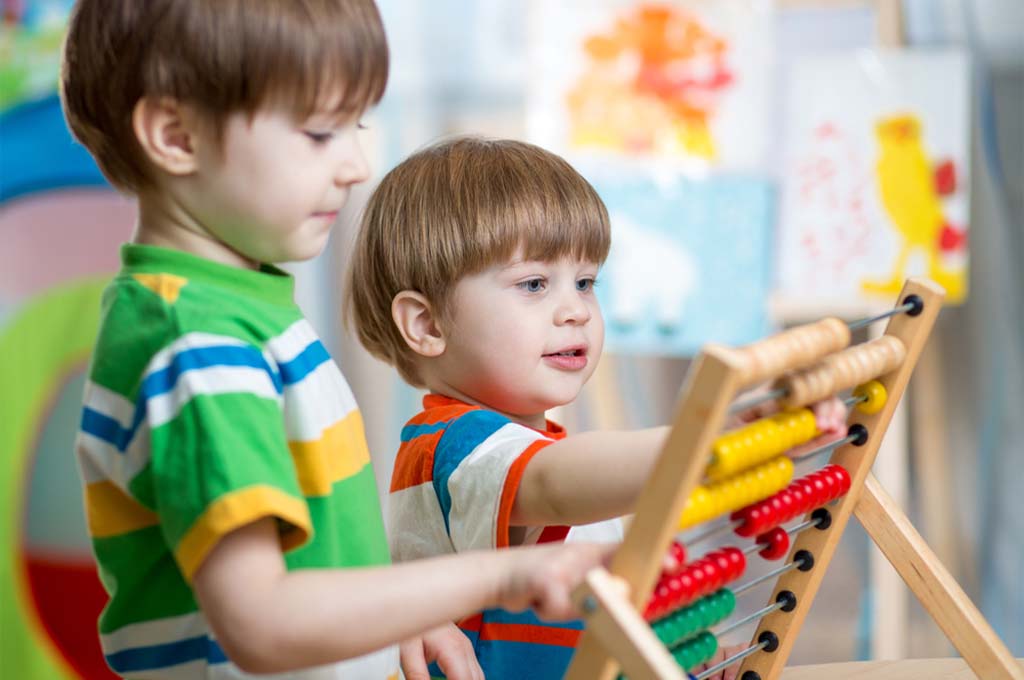
Concepts of cooperation such as sharing, compromise and taking turns are invaluable to healthy emotional development.
Children who do not have siblings at home may find ECE particularly beneficial as it provides them with opportunities to interact with peers and practice principles of cooperation.
Introduces Self-Regulation
Self-regulation is the ability to manage one’s own behavior and emotions in a given situation. Teaching children how to be good learners means helping them deal with challenging emotional situations.
Learning how to deal with difficult emotions, pay attention and actively listen are all important aspects of self-regulation. Additionally, these skills will benefit children beyond the classroom environment and well into adulthood.
Nurtures Curiosity
Quality educators know how to use the classroom environment to nurture a child’s natural curiosity. Teachers will often ask questions designed to encourage deep thinking:
“Why did that happen?”
“What do you think will happen if … ?”
“How do you know … ?”
The key is to draw children into the process of learning using their own curiosity and creativity.
Teaches Teamwork
Helping children understand the importance of working together cooperatively is key in developing the ability to work as part of a team.
Many activities children engage in during ECE are geared to encourage listening and working collaboratively. Once again, learning to work as a member of a team is a skill that will benefit children far beyond the classroom.
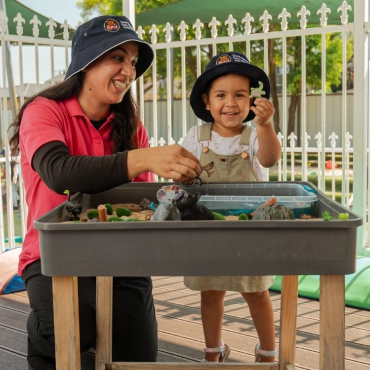
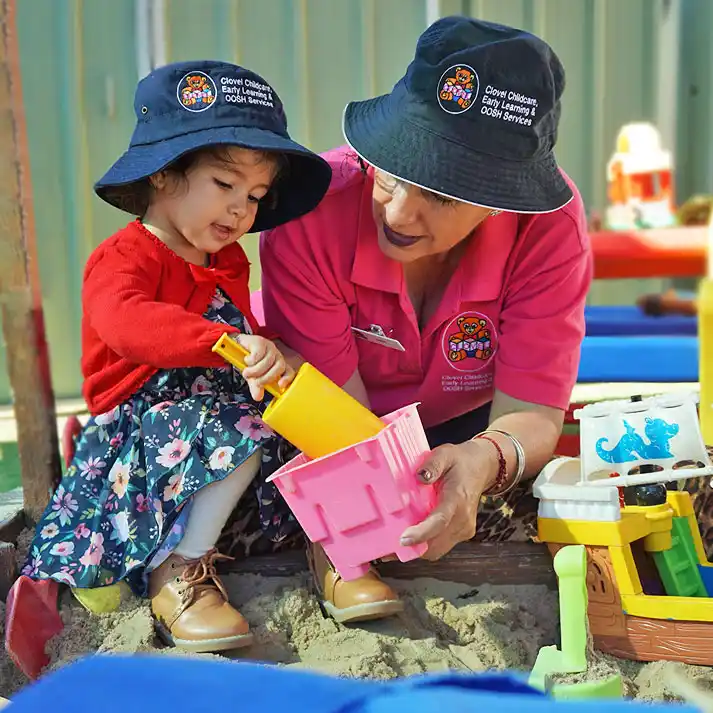
Learning Through Play
While it is easy to focus on academic learning, the importance of play for young learners should not be underestimated.
Fred Rogers once said, “Play is often talked about as if it were a relief from serious learning. But for children, play is serious learning.”
Mr. Rogers was right; play is the work of childhood. It is the way children make sense of the world and, through play, children develop critical thinking skills that are integral to academic success.
Fosters Resilience
It is in ECE that children develop an understanding of adversity and working hard for classroom success.
Good ECE teachers create a classroom environment where disappointment or failure are accepted as a natural part of learning and do not define the character of a student. They will celebrate hard work and risk taking and, in doing so, create an atmosphere where children feel safe taking risks and learn to handle failure in a healthy and realistic way.
Celebrates Diversity
Understanding and appreciating diversity is a key benefit to ECE. Children will learn everyone is a unique individual, and part of their individuality is their culture, ethnicity and personal beliefs.
Helping children celebrate the differences of classmates will help them develop into confident and empathetic contributors to society.
Early childhood education is so much more than play time (though we’ve certainly addressed the importance of play as part of a well rounded ECE).
It is in the ECE classroom where young minds receive a holistic education – one that addresses not only academics, but also supports the social and emotional development of children.
For any more information, call Clovel Childcare and Early Learning Centre, don’t hesitate to get in touch with us. For any information about our Educational Programs, give us a call at 02 9199 0294 or fill in this contact us form.
Thanks for reading,
Clovel Childcare
1300 863 986