



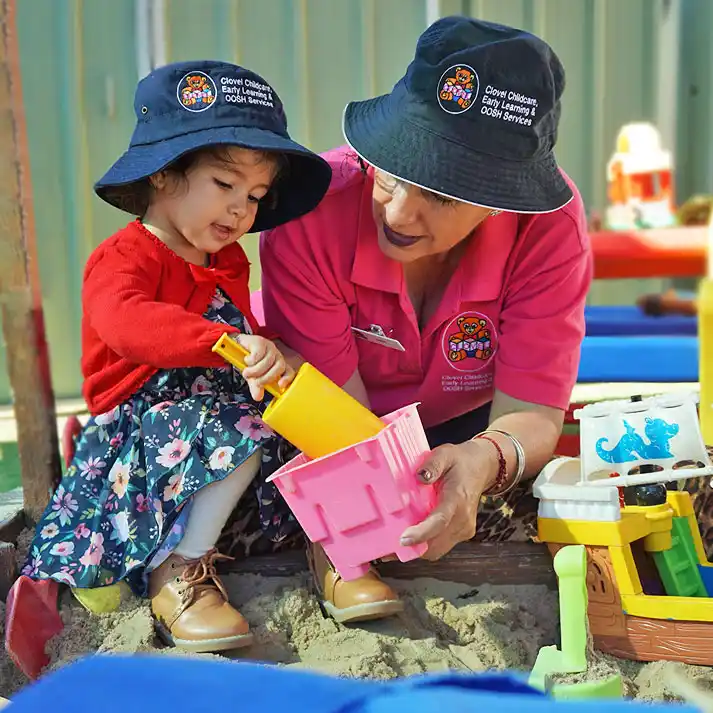
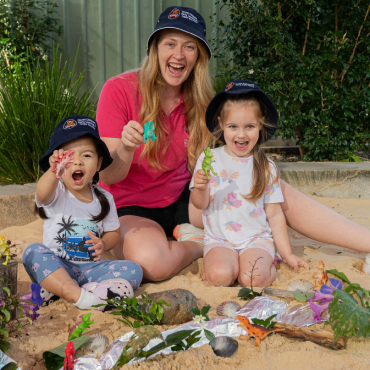

Every parent knows that raising a child is almost an overwhelming challenge. While we have access to resources that parents in the past didn’t, many still struggle to ensure their children get all the care and nurturing they need. Early childcare educators provide invaluable support during this delicate period of development.
They don’t just educate children, but also provide a compassionate, nurturing environment that helps their overall development. Parents often underestimate how much physical, mental, and emotional labour goes into early childcare education.
What Do Early Childcare Educators Do?
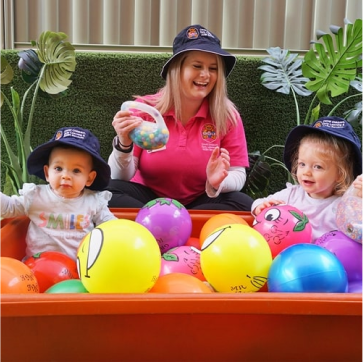
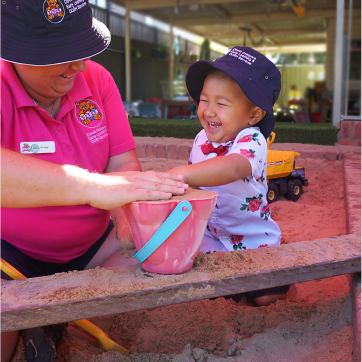
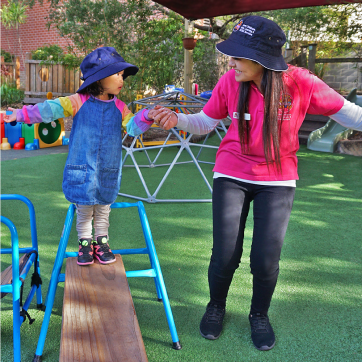
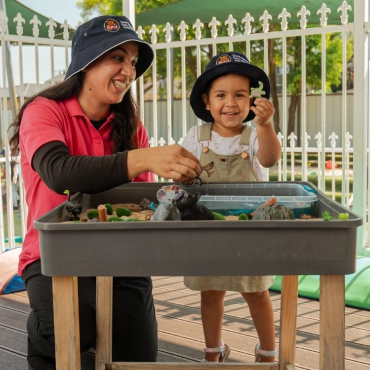
Early childcare educators offer a considerable amount of support to their students. They aren’t just teachers, but also guardians, companions, friends, and leaders. Filling these diverse roles can be challenging for any individual, but childcare educators are trained to handle these skillfully.
These educators can teach your children their ABCs, offer emotional comfort when they are stressed or upset, and encourage them when they are struggling with new concepts and more. They do everything in their power to help a child develop healthy self-esteem while learning skills they need down the line.
Trained Experts
Childcare educators receive comprehensive training before organisations trust them with children. This field is fluid and continually evolves because educators are always looking for better ways to nurture children. They spend thousands of dollars on research regularly, and childcare experts publish findings, opinions, as well as observations every day.
Educators take time to polish their skills and stay up-to-date with the latest developments. Some of the most effective strategies modern educators use focuses on social and emotional learning.
What is Social and Emotional Learning?
Children at an early stage of development are in a fluid state. Their mind is always learning new skills, experiencing new emotions, and developing connections. Focusing only on academic and cognitive learning at this stage can be detrimental to their overall development. If educators ignore social and emotional health, they place the child at risk of developing behavioural problems down the line.
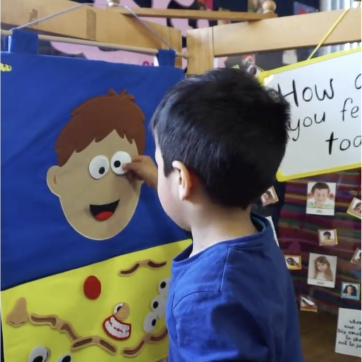
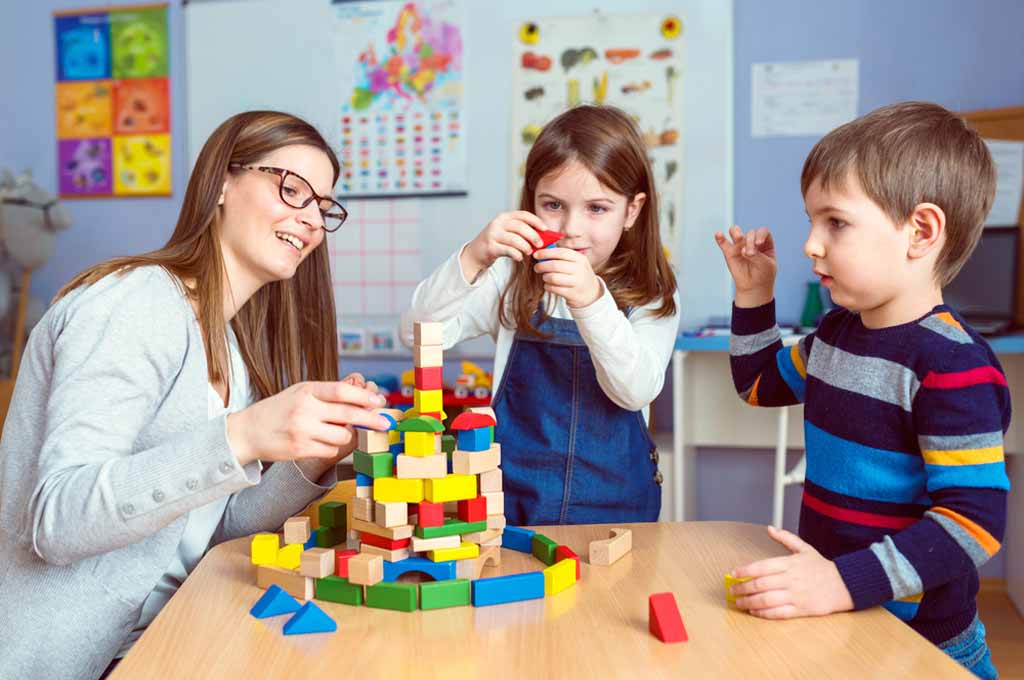
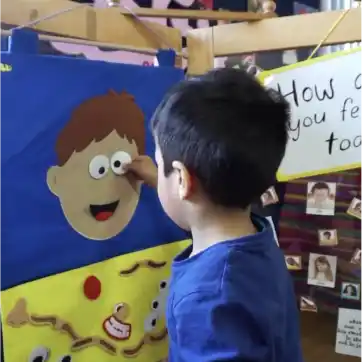
SEL strategies are designed to help children interact with their peers, communicate with adults like teachers or parents, and adjust to different kinds of social situations. Educators teach children self-regulation strategies that can influence their behaviour for years to come. The two distinct approaches to SEL are:
- Programs to Improve Behaviour and Engagement – These programs are designed to improve a child’s awareness and ability to understand social cues. They help children engage in conversations, regulate their behaviour, and handle stressful situations.
- Programs for Children with Special Needs – Some children have behavioural, emotional, or learning difficulties and require special attention from their educators. Programs for children with special needs are designed for this purpose and employ strategies that help these children get the balance they need.
SEL is highly effective in helping children become balanced and comfortable in different kinds of situations. They are more confident, eager to learn, and more self-aware, which can benefit them throughout their school career.
How Effective is SEL?
Parents are often reluctant to embrace newer education strategies, unwilling to jeopardise their child’s well-being. Childcare educators do a fantastic job explaining different education strategies before pointing out the benefits of SEL. This allows parents to make an informed choice regarding their child’s education. Here’s a look at just how effective SEL can be:
- It has a positive impact on a child’s social interactions, allowing them to develop peer groups and take on leadership roles early.
- Students with a more balanced education have a better approach to learning. They embrace education, develop a thirst for knowledge, and have fun while they assimilate new concepts.
- Children learning through this model have three months of additional development under their belt when they move on to middle school or higher education.
- These programs are particularly beneficial for disadvantaged children or ones with unstable backgrounds that have learning or behavioural difficulties.
SEL is only useful if a well-trained staff consistently implements it. Competent educators know how to give children the attention they need to find stability. The quality of the teaching staff plays a vital role in your child’s development.
That’s why early childcare educators need more support from parents and organisations. When educators and parents work together with the aim of child development, they are more likely to thrive.
We at Clovel Childcare and Early Learning Centre, provide a very nurturing environment for children to learn and grow. For any information about our services, give us a call at 02 9199 0294 or fill in this contact us form
Thanks for reading,
Clovel Childcare
1300 863 986