



Language is a crucial part of a child’s development, helping them make sense of a naturally perplexing world.
Without verbal communication, children wouldn’t be able to express their thoughts and feelings, interact with others, and embrace their creativity. That’s why encouraging language development in preschoolers is so important.
Developing your child’s speech and language skills is the first step towards learning how to read and write.
This article explores the importance of early language development in preschoolers and how enrolling your child in a preschool program can be extremely beneficial for them.
Why Early Language Development Matters for Preschoolers
We engage with the world through language and communication. The more we know, the more coherent we’re able to articulate ourselves.
Language development, especially in the early years of your child’s life, supports their cognitive and social skills.
When they start school, their language skills will set the stage for literacy and give them a solid footing in their academic journey.
Key Milestones in Language Development for Preschoolers
Preschoolers refer to children who are in the period of early development, typically between the ages of 3 and 5 years old.
Vocabulary
In this crucial stage (ages 2 to 3), your child is incredibly curious, learning from their surroundings, picking up new words, and rapidly expanding their overall vocabulary.
Grammar
At age 4 to 5, you may notice them connecting sentences, understanding complex questions, and being able to answer questions beyond a simple yes or no.
Conversations
In the later preschool stages (age 4 to 5), your child may begin to experiment with both compound and complex sentences, use their imagination, and create stories.
How Clovel Childcare Supports Early Language Development
Clovel Childcare offers a nurturing environment centred around love for children to build their literacy skills. Through interactive storytelling, including voice and sound effects, your child will be introduced to a new and exciting way of learning.
We firmly believe that by encouraging your child to use their imagination and engage in the dramatic arts, we can foster confidence and a sense of belonging. These are vital for a positive learning experience.
Early Literacy Programs: Building a Strong Foundation for Reading Skills
When you enrol your child in an early literacy program, you’re supporting their language development, which can trickle down into academic success, emotional growth, and stronger reading comprehension.
Our preschool reading program focuses on fun, play-based activities. You can be sure that your child will be equipped with the support they need and gentle guidance to thrive in their reading and writing.
The Role of Preschool Reading Programs in Early Childhood Literacy
Children can achieve strong literacy skills through structured reading programs.
Reading is one of the most effective ways to develop a solid vocabulary and fuel your child’s imagination from a young age.
A preschool reading program at Clovel Childcare aims to kindle a continuous love of reading.
Encouraging Early Reading Skills at Home
Developing early childhood literacy can start right at home. Here are some ideas you can include in your child’s day.
Dedicated reading time
Setting aside time to read with your child and encouraging them to get creative is a great way for them to learn new vocabulary.
Encourage questions
Creating an interactive dialogue by encouraging your child to ask questions about the story, characters, and plot. This is a great way to practise their comprehension skills.
Using expressive voices
Adding a dramatic flair or silliness by employing various voices can effectively hold your child’s attention and may help them connect with the characters.
Follow their interests
Another way to inspire early reading is to pick a book that aligns with their interests. Not only does this immediately pique their curiosity, but it makes the reading experience even more enjoyable.
Preschool Programs: How They Shape Early Childhood Literacy
Preschool programs introduce your child to a language-rich environment with the main focus of enriching their language abilities. This is crucial for language development in preschoolers.
Educators will engage your child in phonics, rhymes, and vocabulary building, all of which are fundamental skills crucial for their academic journey.
Our preschool program at Clovel Childcare provides an experience that’s natural and intriguing for children to learn. In the right setting, literacy can be fun.
The Importance of a Language-Rich Environment in Early Learning Centres
Our early learning centres are filled with possibilities for children to interact, hear, and use language in many contexts.
Your child will have the freedom to express themselves, connect with others, and experiment with new words.
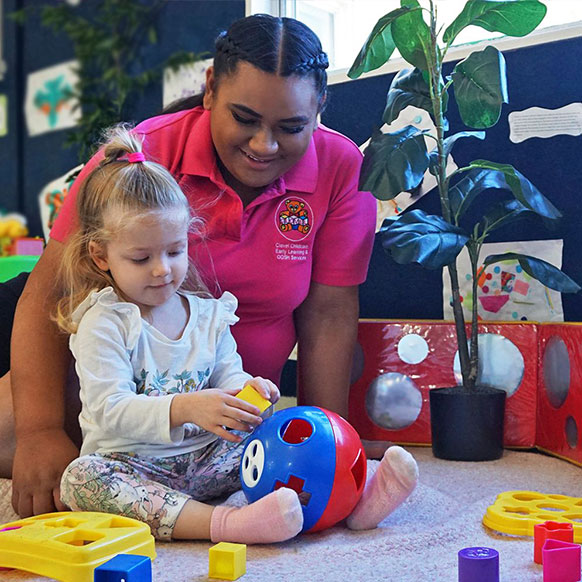
Strategies for Enhancing Language Skills in Early Childhood
Language skills are necessary for a child’s overall development, and you can absolutely get involved in your child’s language development.
Whether that’s engaging in daily conversations, playing word games, or reading a book together, your active participation can help their language skills flourish.
Frequently Asked Questions (FAQs)
What is the best way to foster language development in preschoolers?
Engaging in daily conversation, asking questions, and setting aside time to regularly read with them will improve their language development immensely.
How does an early literacy program benefit my child?
Early literacy programs typically involve reading and storytelling, which will improve your child’s cognitive language skills, communication abilities, and equip them with a larger vocabulary. Additionally, learning to communicate effectively helps children understand and manage their emotions.
What are the milestones in language development for preschoolers?
Preschoolers (ages 3-5) will experience a significant improvement in their language skills.
- At age 3, your child will begin to understand complex questions and form short sentences.
- At age 4, your child will be able to tell simple stories and use more connecting words.
- At age 5, they will begin to experiment with complex sentences that include more details and even share engaging stories.
However, it’s essential to understand that all children learn at their own pace.
How can I support my child’s reading skills at home?
You can support your child at home by reading stories aloud with them, asking open-ended questions, and choosing books that align with their interests.
What is the role of preschool in developing reading skills?
A preschool reading program will help your child develop literacy skills by engaging in play, creating a positive environment, and building their confidence.
How can Clovel Childcare help with language development?
Our programs are intentionally designed to help your child thrive in and out of school. At Clovel Childcare, we focus on language development in preschoolers by regularly exposing them to language, stories, and various ways to use their imagination. In addition, our caring educators foster a nurturing environment that will ensure they are engaged and inspired.