



For those who keep hearing it but still aren’t entirely sure what it means, STEM stands for Science, Technology, Engineering, and Mathematics. These subjects might sound a little complicated for the early years of education, but this is the age when children begin to develop foundational skills and a love for learning. That’s why we wanted to discuss early childhood STEM, how we incorporate it into play-based learning activities, and the incredible benefits of hands-on science activities for the little ones.
Like most things, the earlier we expose our children to STEM, the better. Science for preschoolers massively enhances their cognitive and social development, helps them learn how to solve problems, and nurtures their curiosity. The highly experienced team at Clovel Childcare are experts in providing a perfect blend of hands-on play and digital literacy, helping us to create the most enriching environment possible.
The Science of Play-Based Learning
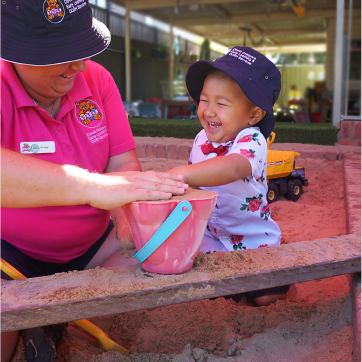
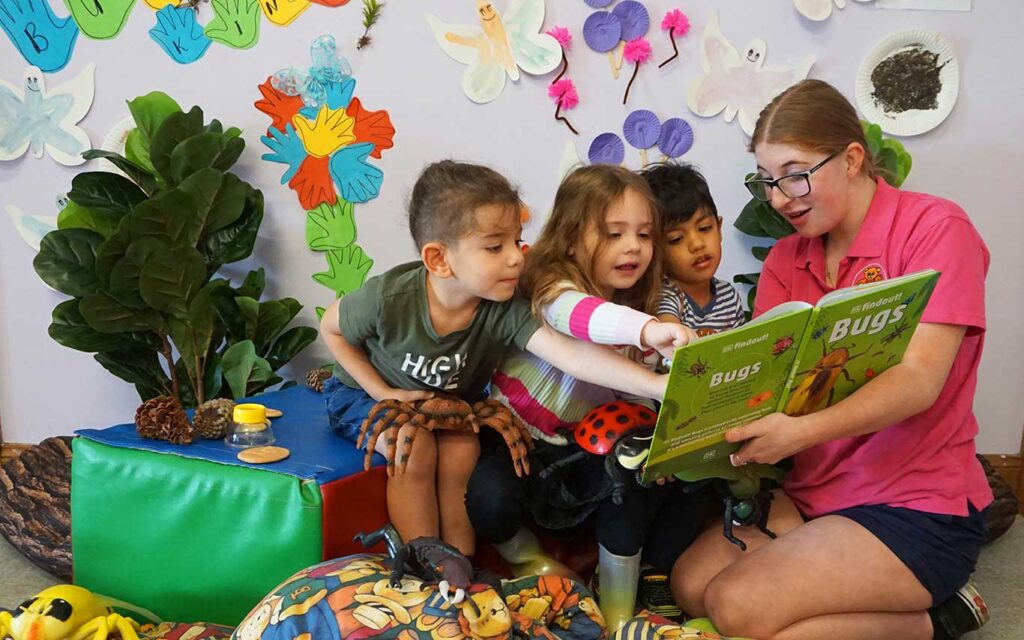
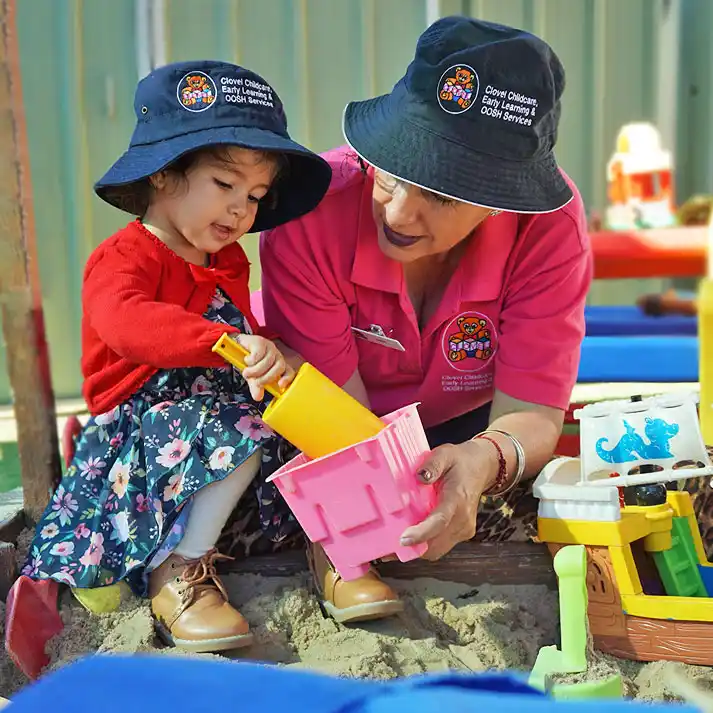
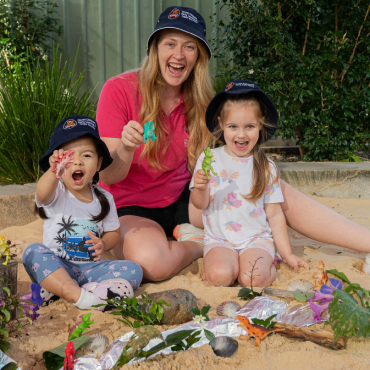
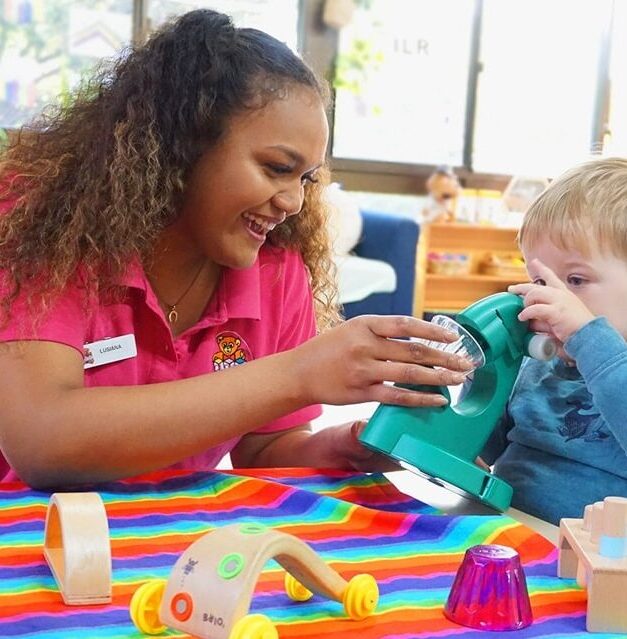
Young children are constantly learning and developing their understanding of the world around them and themselves. Every interaction they have can significantly enhance their skills and knowledge in numerous ways. The best way for children to immerse themselves in perpetual learning is by hands-on, play-based activities. These activities allow children to delve deep into their thoughts and leverage their creativity and imagination to make sense of everything. Hands-on science activities are a brilliant way for children to soak up information, boost their confidence, and begin to understand a plethora of STEM concepts. Play-based learning in a preschool STEM program might include mixing colours, observing nature, conducting experiments, and learning through trial and error.
How Technology in Childcare Enhances Early Learning
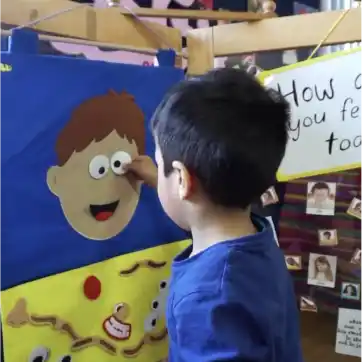
Technology plays a significant role in most aspects of our lives, and it is exactly the same with early childhood STEM activities. With the use of tech, we introduce our young learners to basic digital literacy skills, paving the way for a future of curiosity, learning, and exploration. Developing their skills and knowledge through technology-based, traditional, and play-based learning enables them to learn in a multitude of ways. At Clovel, we support early childhood STEM with numerous age-appropriate technologies, such as storytelling apps, creative design tools, digital puzzles, and interactive digital learning spaces. These tools play a vital role in helping a child grasp new ideas, visualise new concepts, and leverage digital tools. Technology, along with plenty of outdoor play, sensory exploration, socialising, and collaborative learning, is the perfect way to start young children off on their learning journey.

Key Benefits of Early Childhood STEM Education
When a child begins to discover STEM subjects, they experience tremendous changes in their learning, engagement, and motivation. Early childhood STEM activities introduce young learners to several tremendous benefits.
Enhancing Cognitive Development Through STEM
STEM subjects naturally encourage problem-solving, reasoning, and creativity. The more we incorporate hands-on science activities into educational programs, the stronger each of these essential life skills becomes. Preschool STEM programs leverage several engaging activities where children get to witness cause and effect, observe basic chemical reactions, such as mixing baking soda and vinegar, and learn about different ways to approach tasks and problems. Doing this is one of the most fundamental aspects of inquiry-based learning, and reinforcing them at the youngest possible age will help them prepare for the rest of their educational journey.
Developing Social and Emotional Skills
Science for preschoolers extends far beyond the realms of the subject being taught. Taking part in hands-on science activities promotes healthy social and emotional behaviour. The STEM classroom is a place where young learners explore together, work as a team, share ideas, and find solutions to problems. Partaking in early childhood STEM activities enables children to understand the importance of working together and being patient, as well as helping them build emotional resilience. The more times a child experiences this, the more prepared they will be for life after preschool.
Encouraging Critical Thinking from an Early Age
The more you look into education for your child, the more you will probably read about the importance of critical thinking. Critical thinking is taught in most education systems across the world, so it is essential to promote a critical mindset in our children as early as possible. Preschool STEM programs are designed to cultivate curiosity and independent thinking in young learners. They are a safe space for children to ask questions, make predictions, and test their own ideas. Even activities like building a bridge with wooden blocks or figuring out what materials float can massively enhance a child’s critical thinking capabilities.
Fun Hands-On Science Activities for Preschoolers
If you are wondering how to introduce early childhood STEM activities into your home, don’t worry; you don’t need a background in science, technology, engineering, or mathematics. Hands-on science activities for young children are far more simple and straightforward than you might expect. Here are some activities you can try at home that will promote cognitive development, emotional resilience, problem-solving, and critical thinking skills in your child.
Build a Volcano – The classic educational activity of building a baking soda and vinegar volcano is a great way to introduce children to science while having fun.
Floating and Sinking Experiment – This activity allows children to get messy, have fun, and test the buoyancy and density of objects made of various materials.
Tracing Shadows – Using chalk, you and your child can trace the shadows cast by the sun at different points of the day, exploring basic concepts of light and time while enhancing dexterity.
Playing with Magnets – Explore your house with magnets, discovering what does and doesn’t attract. This activity can last an entire day while helping them understand basic scientific concepts.


FAQs About STEM Learning in Early Childhood
What age is appropriate to start introducing early childhood STEM?
Early childhood STEM activities can be introduced at any age. These activities provide endless opportunities for sensory exploration and can be tailored to every child.
How does STEM benefit preschoolers beyond academic learning?
Preschool STEM programs provide a space for children to practice working in teams, communicating with others, and are great for promoting social and emotional growth.
What are simple STEM activities I can do at home with my child?
There are hundreds of different activities you can try at home, such as measuring cooking ingredients, playing with blocks and shapes, growing plants, and water play.
For more information on early childhood STEM activities, contact Clovel Childcare today.
How does Clovel Childcare incorporate STEM in their curriculum?
We introduce early childhood STEM activities into almost everything we do. Our curriculum is carefully constructed to seamlessly meld subjects through a wide range of fun and engaging hands-on activities.
Is technology in childcare safe for early learning?
Absolutely! However, it is essential to introduce technology in moderation.