





As parents, we try to offer our children the very best in every aspect of their lives—immersive learning experiences, fun vacations, and well-rounded education. But when it comes to eating, the “best”, or healthiest, foods are often met with turned up noses and tightly shut lips. Given the popularity of sugary drinks and filler-filled snacks, it can be challenging to nurture a love for natural foods. So, what is the secret? How do we get our children to ditch the Doritos and embrace the delicious (though decidedly less zippy) flavor of healthy foods?
We’ve gathered 8 tips and tricks that will help you develop your child’s palate and instill in them an appreciation for healthy foods.
1. Start Early
And when we say early, we mean early…as in “in the womb” early. Pregnant mothers should eat a variety of fruits and vegetables while pregnant. Not only are the vitamins and nutrients essential, but varying baby’s exposure to a variety of nutrients—first through amniotic fluid, then later through breast milk if mom chooses to nurse—increases the likelihood that children will be willing to trying new foods later in life.
2. Focus on Overall Diet Instead of Banning Certain Foods
As adults who have lived through various fad diets, we know that telling anyone a certain food is “banned” is a sure-fire way to guarantee that taboo food will be the only thing they dream about.
Avoid the temptation to exclude certain foods and instead embrace an overall way of eating that celebrates whole, nutrient-rich foods while allowing occasional treats. And, if you can substitute pre-packaged sweets that are pumped full of unnatural fillers for homemade treats using healthier ingredients, you’ll have set your children up for a life of long-term healthy eating.
3. Model Healthy Eating to Children
It’s hard for children to take you seriously if you demand they eat carrots and celery while plowing through a bag of potato chips.
Your actions are powerful influencers to your children. Nurture their love of healthy foods by letting them see you get excited about healthy food options. The more they see you eating a variety of whole foods, the more willing they’ll be to give them a try.
4. Give children More Control
We all know how much children love autonomy. Giving them a sense of control over what they eat can help them increase their healthy food intake while making them feel as though the choice is theirs.
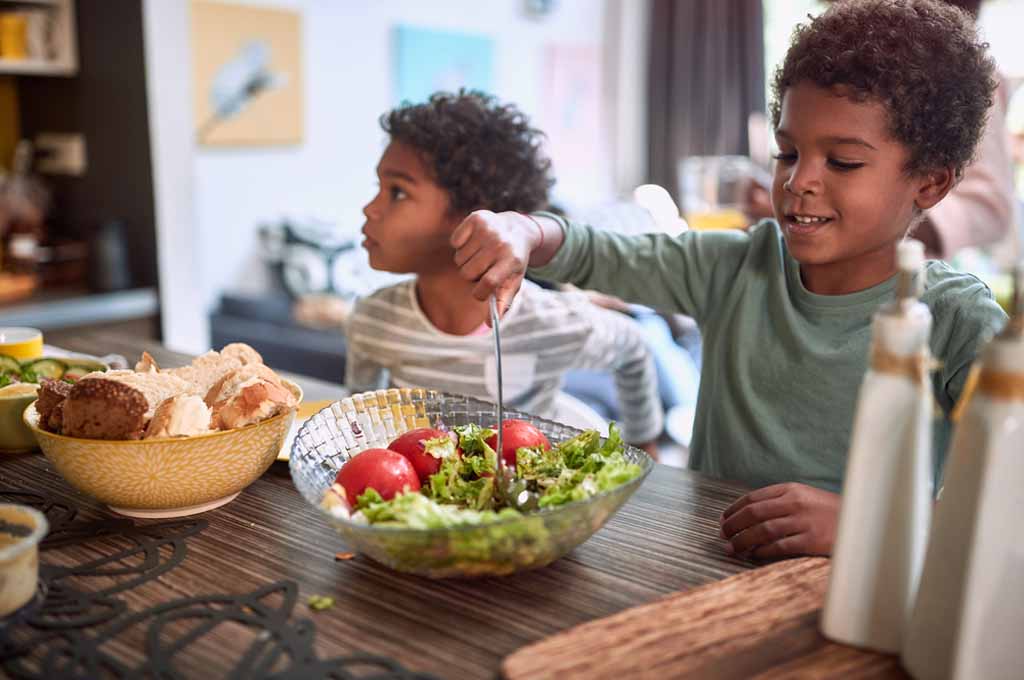
Provide four or five healthy snack options and let children decide what they want to eat. children children involved with meal planning for the week and let them decide what the family will eat for lunch or dinner. Allow children to fill their own plates and choose how much of each healthy dish they take during mealtime. You can also check out these fun ways to encourage your child to experience food in a playful way.
5. Pair New Foods with Old Favorites
Children are more likely to try new foods if they are presented alongside something they already love. If, for example, you are introducing your child to jicama, serve it along with apple slices and peanut butter for dipping. Want them to eat broccoli? Add it to a plate with carrot sticks and homemade ranch dressing.
6. Avoid Making Multiple Meals
It’s easy to fall into the habit of cooking separate meals—one for the children and another for the adults.
Try cooking a single meal with multiple dishes, then let children decide how much of each dish they take. Though it may be tempting, avoid chastising children if they skip over one of their options—odds are, with repeated exposure, they’ll eventually give it a try. When they do take a chance on a new dish, be sure to heap on the praise.
7. Get children in the Kitchen
Children are much more likely to try a new dish if they have a hand in creating it. Make the whole process an adventure—head to the local grocer or farmer’s market together for ingredients and bring them into the kitchen to help with the cooking process. Allowing children to see how food is made removes some of the mystery and lowers their suspicions.
8. Make Homemade Treats
Ditch the store-bought goodies and make homemade versions using natural ingredients.
The internet offers a wealth of recipes that allow you to make healthy treat options your children will crave while still being incredibly nutritious! From avocado brownies made with whole wheat flour to carrot and apple oat cookies, the internet is an endless source of recipes for treats that are both nutritious and delicious.
Encouraging children to eat healthy foods can be one of the most challenging aspects of parenthood. By having healthy options readily available and continuing to present nutritious foods with each meal, you’re increasing the likelihood that your child will develop a well-rounded palate and will incorporate healthy eating into their life throughout childhood and into their adult life.
For any more information, call Clovel Childcare and Early Learning Centre, don’t hesitate to get in touch with us. For any information about our Educational Programs, give us a call at 02 9199 0294 or fill in this contact us form.
Thanks for reading,
Clovel Childcare
1300 863 986