


At Clovel Childcare, our ethos revolves around creating an environment full of love, where children have the freedom and facilities to explore through play. Our approach is built around nurturing their development in a fun, supportive way. One of the most fundamental aspects of development is strengthening fine motor skills in toddlers.
Today, we are going to explore 25 proven fine motor skills activities that you can try at home. Each one can play a significant part in building strength, coordination, and independence. If you would like to learn more about hand coordination exercises for children, this blog is for you.
What Are Fine Motor Skills and Why Do They Matter?
Fine motor skills refer to the amount of control children have over small muscles in their hands and fingers. They are an essential part of everyday life, and with the right motor skills, they can develop skills like writing, buttoning clothes, using cutlery, tying their shoelaces and more.
Some examples of everyday fine motor skill tasks include holding pencils and crayons, eating with a spoon, zipping up a jacket, or turning the pages in a book. To support early fine motor development and boost school readiness, self-care, and confidence, we include plenty of preschool craft activities and games. Many of these are perfect for developing motor skills at home, so have a read and start supporting your child with these fine motor skills activities.
25 Fine Motor Skills Activities for Kids to Do at Home
Here are 25 ways your children can start developing motor skills at home. Each of these child motor skills games and activities has been proven to provide the best start for toddlers, and you don’t need to be an expert to try them.
Sensory Play Activities
1. Playdough Squeezing and Moulding:
Allowing children to squish and shape playdough significantly enhances their finger strength and creativity.
2. Pom-Pom Sorting with Tongs:
By using tweezers or kitchen tongs to arrange pom-poms by colour, you can help them improve pincer grip and coordination.
3. Sensory Rice and Bean Bins:
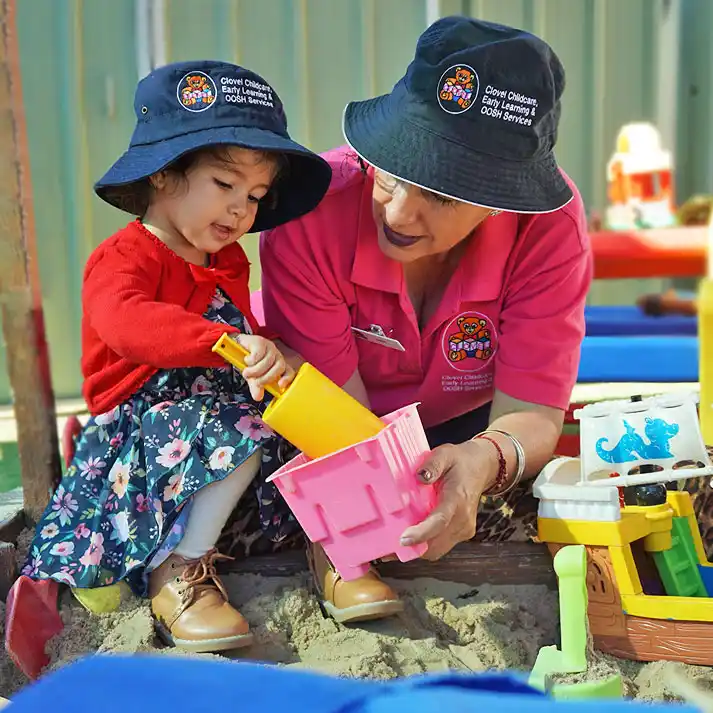
Fill a bin with rice or dried beans and let your child dig, pour, and scoop.
4. Water Play with Sponge Squeezing:
One of the most fun fine motor skills activities; playing with water during bathtime is perfect for muscle tone.
5. Finger Painting:
Let them get messy and practice their finger isolation techniques and hand movement.
6.Sale Tray Writing:
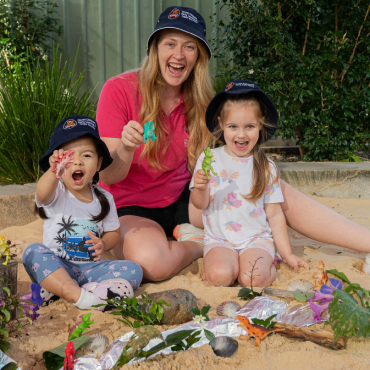
This is great for early child motor development. Simply pour salt or sand into a tray and let them trace letters and shapes with their fingers.
7. Feather Blowing Maze:
This can be a little complex to set up, but it is perfect for developing motor skills at home. Create a maze using tape and encourage your child to blow a feather through it using a straw. This one can massively improve their breath control and focus, too.
Arts and Crafts Activities
Scissor Skills with Coloured Paper:
By cutting lines, children develop much better hand coordination and control.
Paper Tearing and Glueing:
An activity as simple as this encourages creativity while building strength in their fingers.
Sticker Peeling and Placing:
This is always fun and can help improve their finger dexterity and pincer strength.
Bead Threading on Pipe Cleaners or String:
This is one of the most calming fine motor skills activities and significantly enhances their hand-eye coordination and patience.
Lacing Yarn Through Paper Plates:
If you punch some holes in a paper plate, they can have lots of fun lacing yarn while improving their hand-eye coordination.
Sponge Stamping:
Dipping sponges in paint and stamping them on paper is a fun, creative activity for strengthening motor skills in toddlers, allowing them to practice repetition and improve grip.
Cotton Bud Painting:
Using cotton buds for painting is perfect for detailed dabbing and dot work.
DIY Pasta Necklace:
This is one of the most popular preschool craft activities. By painting and threading dry pasta, they can create something fun and functional.
Tools and Object Manipulation
Tong Transfer Challenge:
Using tongs to transfer things from one bowl to another is brilliant for building precision and strength.
Velcro Dot Peeling and Sticking:
You can do this on walls or a board, and it is excellent resistance training for little ones.
Buttoning Shirts on Dolls
Using dolls, you can practice real-life dressing skills, an essential aspect of preparation for the real world.
Opening and Closing Small Containers or Ziplocks:
Allowing kids to open their own snacks boosts strength, coordination, and helps them gain independence.
Nuts and Bolts Boards:
Twisting bolts onto matching nuts is perfect for grip, coordination, and patience.
Fun Games and Challenges
Lacing Cards:
Store-bought DIY cards with holes to thread shoelaces are a brilliant pre-writing activity.
Posting Coins or Beads Through a Slit in a Box:
Simple but effective, cutting slits in a container to post items through it is a fun way to enhance fine motor skills.
“Feed the Animal” Cut-Out Game:
By creating cardboard animals with a mouth hole, your kids can feed them buttons, pom-poms, and other suitable items.
Obstacle Course with Crawling and Object Pick-Up:
Create an obstacle course with small challenges, such as picking up balls to combine gross and fine motor skill play.
Toss-and-Catch Balloon or Beanbag Game:
Throwing and catching soft objects improves hand-eye coordination and timing.
How Clovel Supports Finer Motor Growth Through Play
At Clovel Childcare, we share a philosophy that children learn best through love and play. Fine motor skills activities are a critical component of our play-based curriculum, and we integrate them into everything we do. Whether through painting, puzzle solving, sensory exploration, or story-based play, we give children constant opportunities to strengthen their fine motor abilities. We offer both group activities and one-on-one support, ensuring every child is catered for. Our child motor skills games are incorporated into literacy development, numeracy and maths, physical activities, performing arts, and science and technology.
FAQs About Fine Motor Skills Activities
What are the best motor skills activities for toddlers?
Toddlers love simple, tactile, and creative activities, such as tearing paper, stacking blocks, playing with playdough, or scooping rice and water.
How often should my child do these activities?
Children need 10-20 minutes each day, but incorporating them into every possible activity is the best way.
Are fine motor skills activities for babies or preschoolers?
There are fine motor skills activities for both. Babies need to focus on grasping, reaching, and hand exploration, whereas preschoolers enjoy activities such as cutting, drawing, and dressing themselves.
What if my child avoids fine motor skills?
Start off with fun, low-pressure activities like sensory bins, stickers, and sponge play, gradually introducing more complex activities as their confidence grows.
Ready to Watch your Child Thrive?
If you would like your child to be part of an environment where they can thrive, book a tour at Clovel Childcare today. Our preschool program is designed and carried out by education experts who know how to facilitate the best learning environment for every child.