



Early childhood is a crucial stage for developing social and emotional skills. Teaching empathy in children and developing kindness in children helps them understand others’ feelings, form positive relationships, and become compassionate individuals. At Clovel Childcare, we prioritise nurturing these qualities through play-based learning, guided activities, and everyday interactions.
Children who learn empathy and kindness early gain essential social tools that support them not just in the classroom, but in life. By integrating these lessons into daily routines, educators and parents alike can foster confident, caring, and socially aware individuals.
Why Empathy and Kindness Matter
Empathy is the ability to recognise and understand someone else’s emotions, while kindness is acting on that understanding in a caring way. Research shows that children who develop these skills early are better equipped to manage social situations, communicate effectively, and build strong friendships.
Instilling empathy and kindness also strengthens empathy skills for young children and supports broader social skills for toddlers, preparing them for cooperative learning and lifelong relationships. Children who practice empathy are more likely to resolve conflicts independently, show patience, and develop a strong sense of fairness.
How to Encourage Empathy and Kindness in Children
Model Compassionate Behaviour
Children learn by observing adults. Demonstrating polite manners, active listening, and thoughtful responses teaches children how to respond kindly in their own interactions, a key part of fostering empathy at daycare.
For example, showing patience when a child is struggling with a task or speaking kindly to staff and peers provides a real-life example of empathy in action. Children naturally imitate the behaviours they see, so consistent modelling helps these skills take root early.
Encourage Sharing and Cooperation
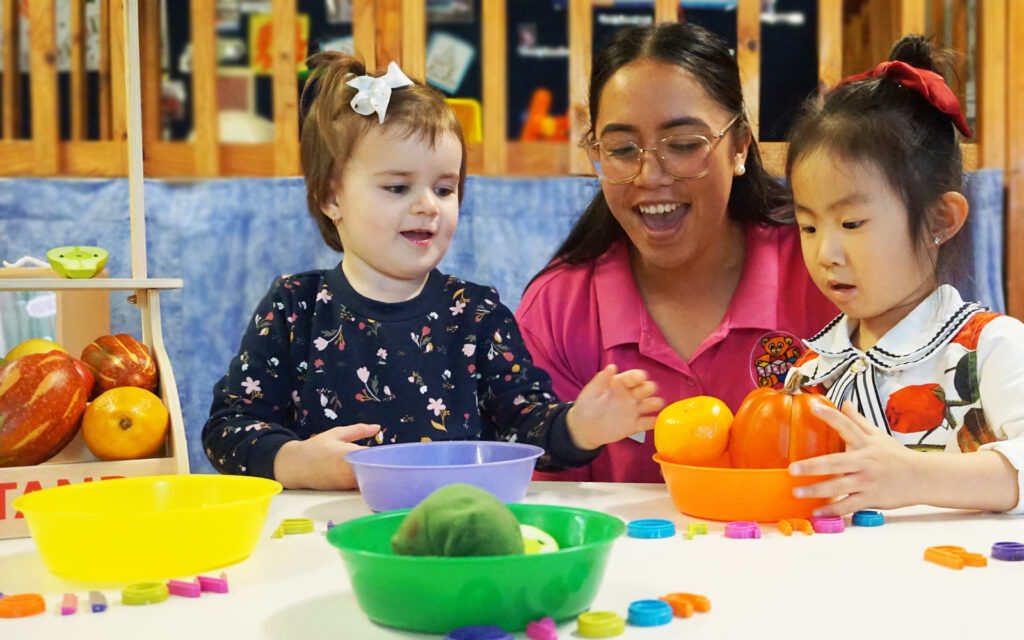
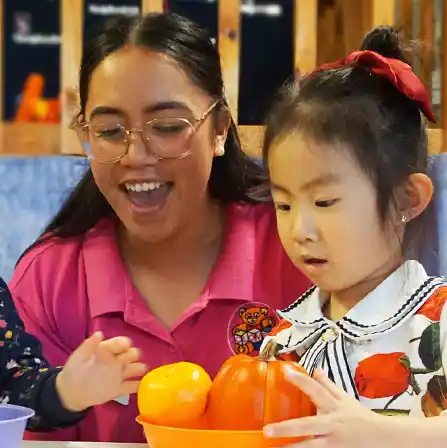
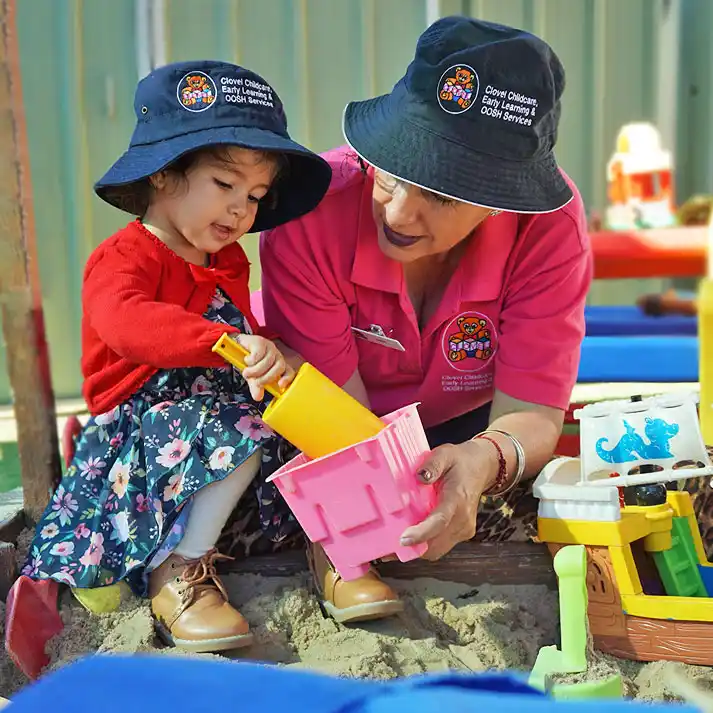
Play-based activities that require collaboration, such as group games or creative projects, help children practice taking turns, helping others, and considering peers’ needs. These empathy activities for preschoolers and kindness lessons for toddlers allow children to experience compassion in action.
Even small gestures, like helping a friend pick up toys or working together on a puzzle, reinforce the importance of cooperation. Over time, children begin to internalise these behaviours and display kindness spontaneously.
Discuss Emotions Openly
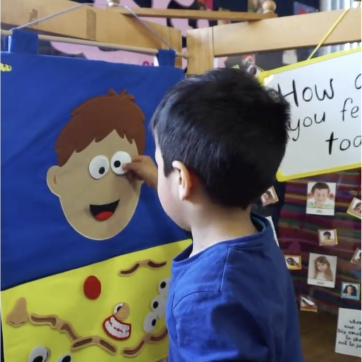
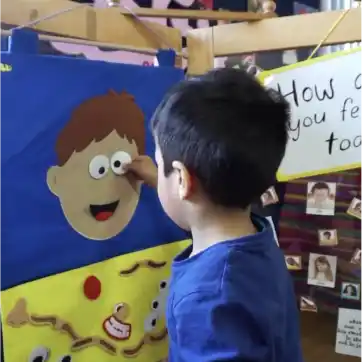
Using daily moments to talk about feelings encourages reflection and understanding. Ask questions like, “How do you think your friend felt when that happened?” or “What could we do to help?”
This kind of dialogue not only builds empathy but also enhances language development and emotional literacy. Children learn to identify and express their own emotions while recognising and respecting the feelings of others. These practices strengthen empathy skills for young children and support long-term social and emotional growth.
Storytelling and Role-Playing
Books, puppets, and role-play activities allow children to step into another person’s shoes, explore different perspectives, and practise empathetic responses in a safe environment. Stories about helping others, sharing, or resolving conflicts encourage children to reflect on how actions affect feelings.
Role-playing scenarios, such as pretending to be a teacher or caring for a sick toy, give children hands-on opportunities to understand compassion. These empathy activities for preschoolers are especially effective because they combine fun with meaningful social learning.
Praise Kind Actions
Acknowledging acts of kindness reinforces positive behaviour. Simple praise like, “I love how you helped your friend share the blocks,” or sharing stories of helpful actions motivates children to continue being considerate.
Even small gestures, such as opening the door for someone or comforting a peer, should be celebrated. Recognising these behaviours consistently helps children internalise the value of kindness, strengthening social skills for toddlers.
The Role of Educators
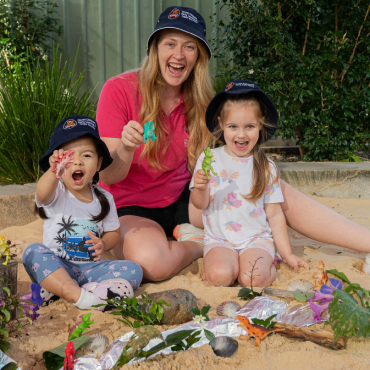
At Clovel Childcare, our educators actively foster empathy and kindness in all classroom activities. From structured lessons to spontaneous play, children are guided to recognise emotions, resolve conflicts respectfully, and support their peers. By incorporating empathy activities for preschoolers into daily routines, we ensure that learning social skills is fun, natural, and meaningful.
Educators also tailor activities to individual children, recognising that each child develops empathy at their own pace. Group discussions, cooperative games, and reflective moments during the day all contribute to a nurturing environment where children can practise kindness safely and confidently.
Tips for Parents at Home
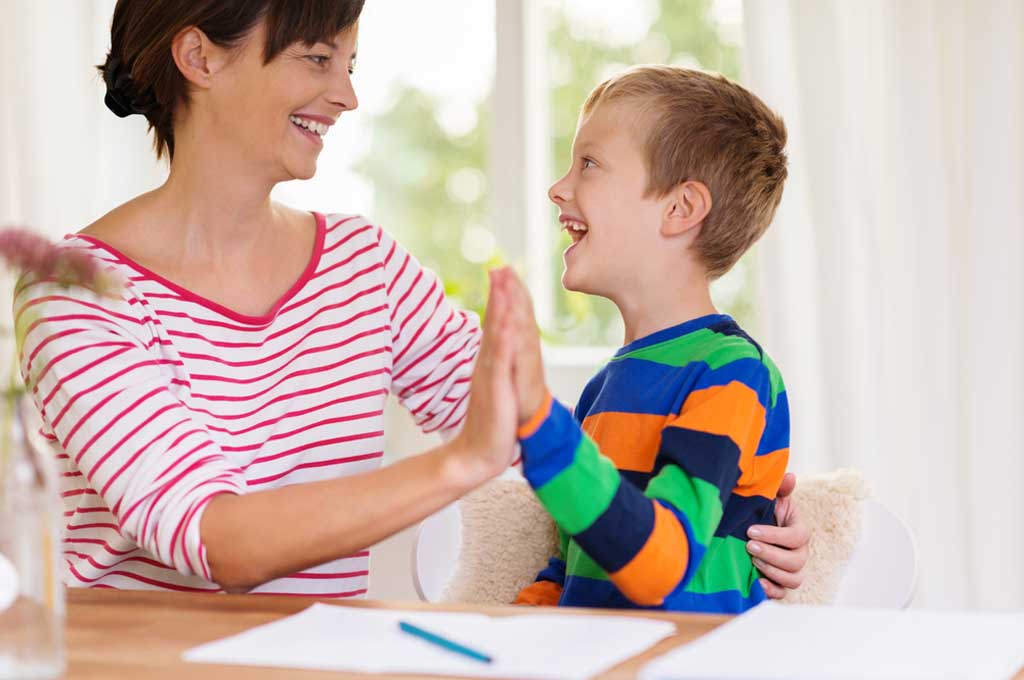
Model empathy
Show care and understanding in everyday interactions. Children mirror the behaviour they observe.
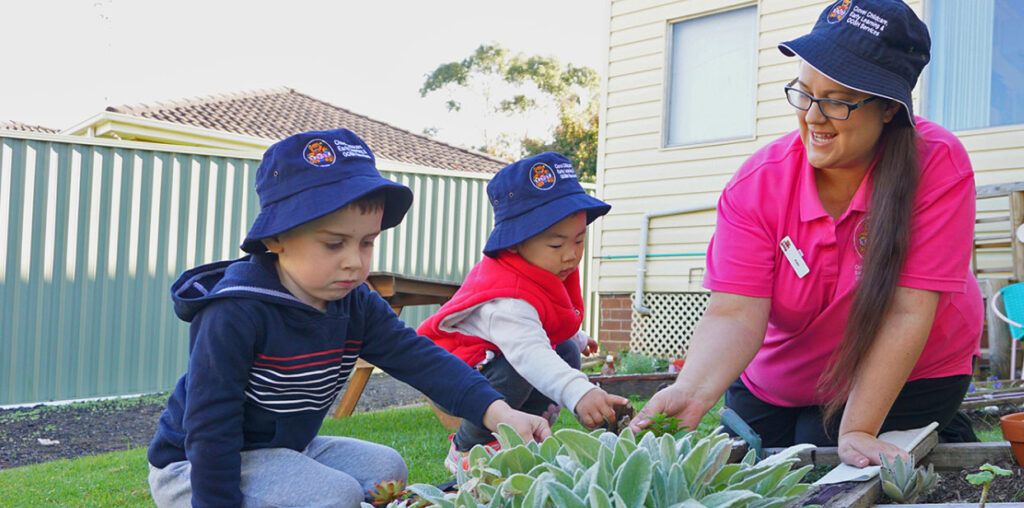
Encourage sharing
Involve children in household chores or community projects where they can help others.
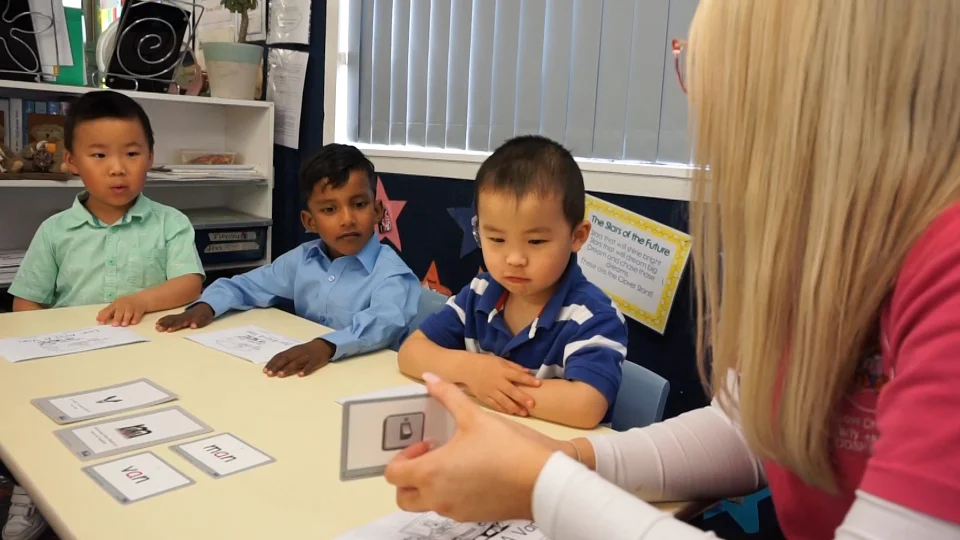
Talk about feelings
Regularly discuss emotions, both positive and negative, to strengthen emotional awareness.
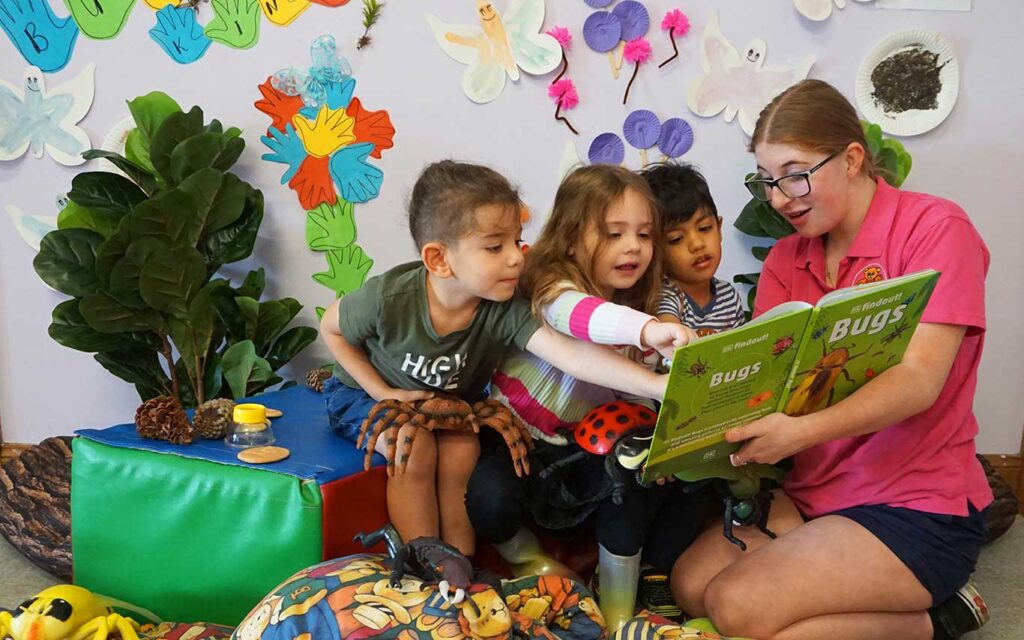
Read empathetic stories
Choose books that highlight kindness, compassion, and understanding different perspectives.
Recognise kind actions
Praise thoughtful behaviours and encourage children to reflect on how their actions impact others.
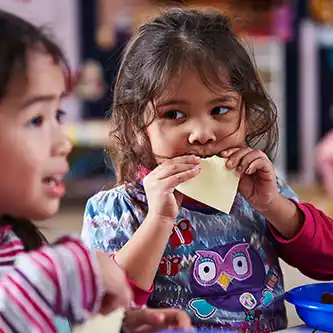
These simple steps complement what children learn at childcare and reinforce teaching empathy in children in the home environment.
Conclusion
Cultivating empathy and kindness in early childhood lays the foundation for confident, caring, and socially aware individuals. Through guided activities, role-play, and positive reinforcement, children can develop essential empathy skills for young children while enjoying a nurturing, supportive environment. At Clovel Childcare, we are committed to fostering empathy at daycare and helping every child thrive both academically and emotionally.