



Blog & Videos

Get Moving! How Physical Activity Enhances Learning and Development

If you have heard that the rules around mobile phones and electronic devices in early childhood settings have changed, you are right. If your child attends a childcare centre in NSW, these changes are already in effect.

Here is a plain-English breakdown of what changed, why it happened, and what it means for your family.

Why Did the Laws Change?

The changes were introduced as a child safety measure. In 2025, Australia’s Education Ministers agreed to amend the Education and Care Services National Law to address concerns about the potential for personal devices to be used to capture, store, or transmit images of children in care without authorisation.

The intent is straightforward: children in early learning settings deserve an environment where their privacy and safety are actively protected.

What Changed Nationally

From 27 February 2026, amendments to the national Education and Care Services National Law took effect across Australia. Under these changes, educators and staff who work directly with children are restricted from using personal electronic devices in care settings.

Before this, from 1 September 2025, all early childhood education and care services nationwide were required to have written policies in place addressing the use of digital devices.

What Changed in NSW

NSW moved ahead of the national timeline. The Education and Care Services (Supply, Authorisation and Use of Devices) Order 2025 took effect on 6 November 2025, applying across NSW’s 6,000 or more early learning services, including long day care centres, preschools, and family day care.

Under this order, educators and staff must use service-issued or service-authorised devices rather than their own personal devices when working directly with children.

What Counts as a Personal Device?

The definition is broad. A personal device is any device owned by an individual (not the approved provider) that is capable of capturing, storing, or transmitting an image. This includes:

  • Mobile phones
    Smartwatches
  • Cameras and tablets
    iPads and laptops
  • Hard drives, USB drives, and memory cards
  • Wearables such as camera glasses

Who Does the Ban Apply To?

The restrictions apply to anyone working directly with children at a service, including permanent and casual educators, students on placement, volunteers, contractors, and allied health professionals delivering programs on-site.

Parents, carers, and other visitors are not covered by the ban. In NSW, parents and carers remain free to use their personal devices during drop-off, pick-up, centre visits, and events involving their own children. There are also authorised exceptions for essential purposes, including emergencies and health or disability support needs.

What About Screen Time for Children?

These new laws specifically address staff device use, not children’s screen time. Screen time limits for young children are not mandated within childcare regulation at a national level.

The relevant guidance comes from the federal Department of Health and Aged Care’s 24-Hour Movement Guidelines, which recommend no screen time for children under 2 years, and no more than 1 hour per day for children aged 2 to 5 years. These are health guidelines, not regulatory requirements.

What This Means for Your Family

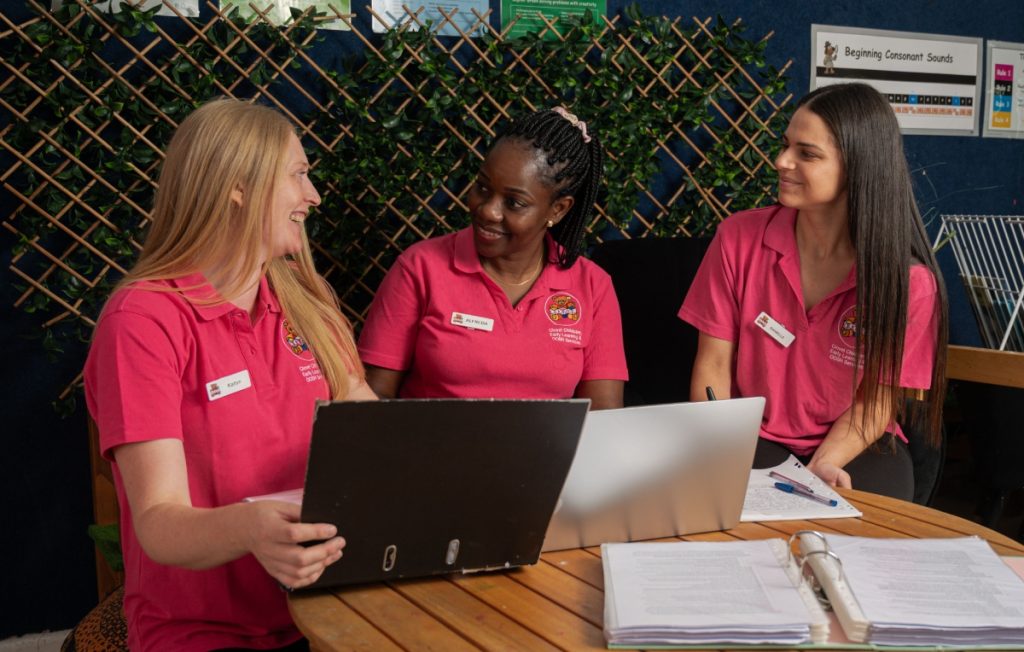
If your child attends a childcare centre in NSW, their service is already required to operate under these rules. Any educator or staff member working directly with your child should not be using a personal device to take photos or videos. Only service-authorised devices should be used for that purpose.

If you have questions about how your centre handles digital devices or image capture, you are well within your rights to ask. Most services will have a written policy in place that covers exactly this.

At Clovel, the safety and wellbeing of every child in our care is at the heart of everything we do. If you would like to know more about how we support your child across our centres, we would love to have that conversation with you.

At Clovel Childcare, we know that play isn’t just fun, it’s a vital part of your child’s growth. Physical activity in children plays a crucial role in supporting children’s learning, development, and overall wellbeing. From building stronger muscles to boosting brainpower, movement helps children explore, learn, and grow in every area of their lives.

The Link Between Physical Activity and Brain Development

Did you know that when children move, they’re actually helping their brains develop? Physical activity increases blood flow and oxygen to the brain, improving memory, attention, and problem-solving skills.

Research shows that children who engage in regular active play often perform better in preschool and early learning programs, showing improved focus, curiosity, and creativity.

Physical Activity Boosts Social and Emotional Skills

Active play is also a powerful way to build social and emotional skills. Team games and group activities encourage children to cooperate, share, and empathise with others.

Children learn to manage emotions, build resilience, and navigate challenges in a safe and supportive environment. Activities like group obstacle courses or cooperative ball games help children practice these essential life skills while having fun.
Movement Enhances Motor Skills and Coordination
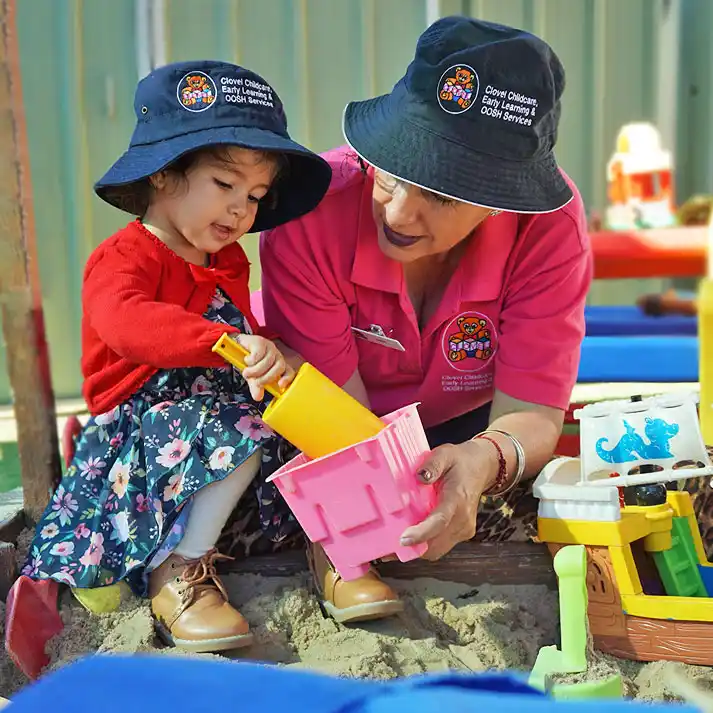
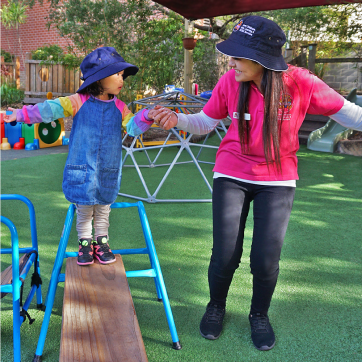
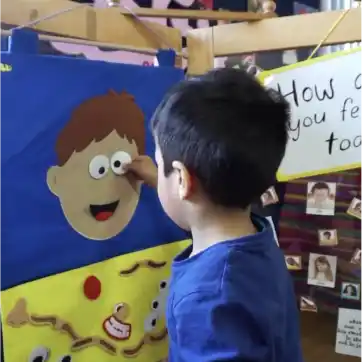
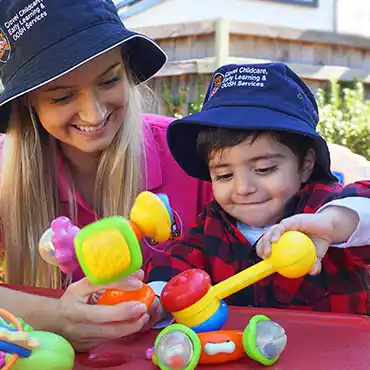
Movement helps children develop both gross and fine motor skills. Running, jumping, and climbing strengthen large muscle groups, while catching, throwing, and balancing refine coordination and precision.
Developing these skills not only builds confidence but also encourages independence as children navigate their surroundings with ease.

Learning Through Active Play

Active play can also be a learning opportunity. Physical activities can be cleverly integrated into educational concepts:

  • Counting jumps helps reinforce numeracy skills.
  • Alphabet hopscotch makes literacy fun.
  • Nature walks spark curiosity and observation skills.


By combining movement with learning, children can explore new ideas, solve problems, and engage their senses in a meaningful way.

Practical Tips for Encouraging Movement

Here are some simple ways to keep children active, both at home and in early learning settings:

  • Set up indoor and outdoor activity stations.
  • Include short bursts of movement throughout the day.
  • Rotate games and exercises to maintain engagement.
  • Incorporate movement into everyday routines, like cleaning up or transitioning between activities.


Even small bursts of activity can make a big difference in a child’s development.

Clovel Childcare’s Approach to Active Learning

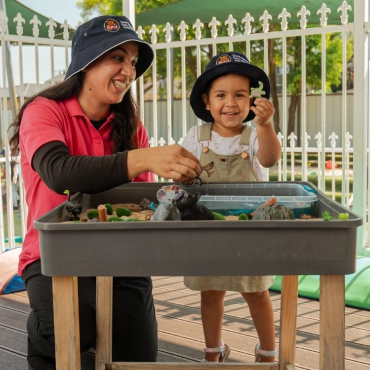
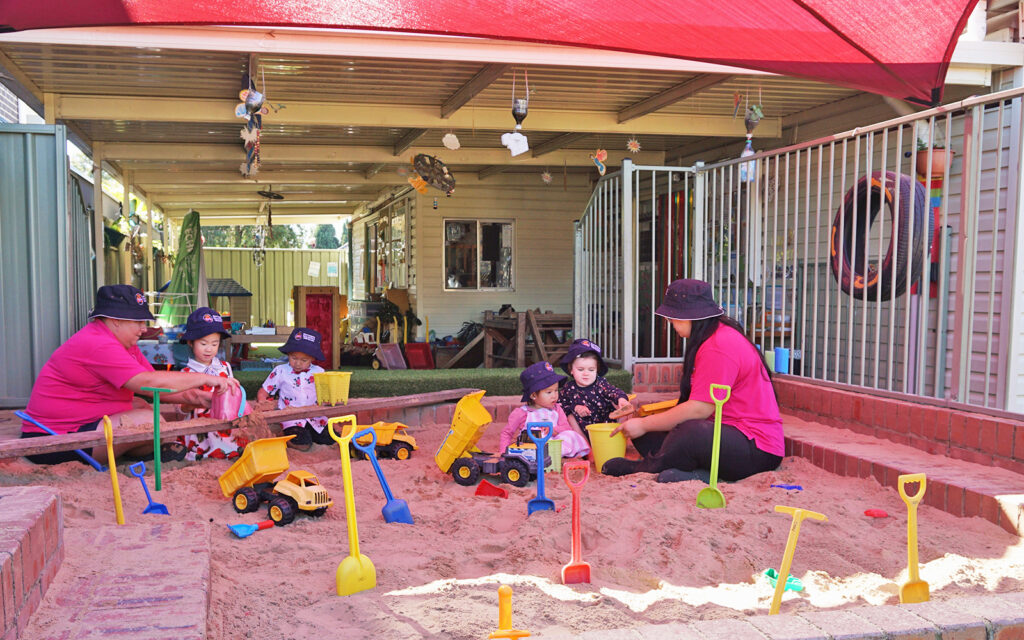
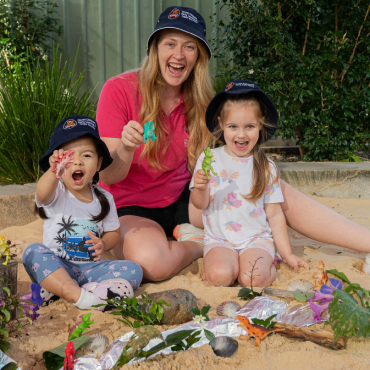
At Clovel Childcare, movement is an essential part of daily routines. Our programs include structured physical activities, performing arts sessions, and play-based learning that encourage children to explore, collaborate, and grow. Every activity is age-appropriate, safe, and designed to promote holistic development, because we believe that learning is best when children are active and engaged.

Physical activity is more than just play; it’s a cornerstone of children’s learning and development. By encouraging movement, children strengthen their bodies, boost their brains, and develop social and emotional skills that last a lifetime.

At Clovel Childcare, we create environments where children can move, learn, and thrive every day. Explore our programs and see how we make active learning a fun and integral part of early childhood education.


Lyn Connolly
Founder and Company Director

Lyn Connolly is the Founder and Company Director of Clovel Childcare & Early Learning Centres, a family‑owned group of eight centres across Western Sydney established from her first service at Merrylands. Active in early childhood education since 1977, she also serves as President of the Australian Childcare Alliance (ACA) NSW, representing providers in state and federal consultations, media, and public hearings.

Still Have Some Questions?