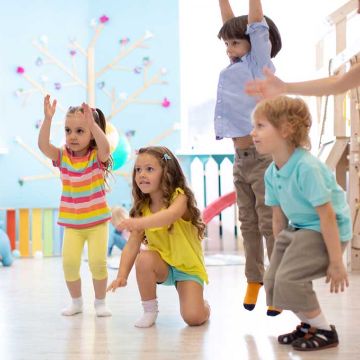
Watch a group of children at play, and you’ll see social learning happening in real time. From taking turns on the slide to comforting a friend who’s upset, play is where children practise the skills they need to connect with others, skills that last a lifetime.
What Are Social Skills?
Social skills are the abilities children use to communicate, cooperate, and form positive relationships. These include:
Sharing and taking turns
Listening and responding to others
Expressing emotions appropriately
Understanding social cues like facial expressions and tone of voice
Children with strong social skills tend to feel confident in groups, manage their emotions effectively, and build meaningful friendships.
Why Play Matters
Play provides a natural setting for children to practise these skills. Here’s how it works:
1. Learning Through Interaction
Children face real social challenges during play. For instance, when two children both want the same toy, they learn to negotiate, take turns, or come up with creative solutions together. Experiences like this teach empathy, patience, and problem-solving in a way that feels natural and fun.
2. Practising Communication
Play encourages children to express themselves both verbally and non-verbally. Asking a friend to join in a game, explaining the rules of a pretend scenario, or using gestures when words are tricky are all ways children develop important communication skills.
3. Encouraging Cooperation
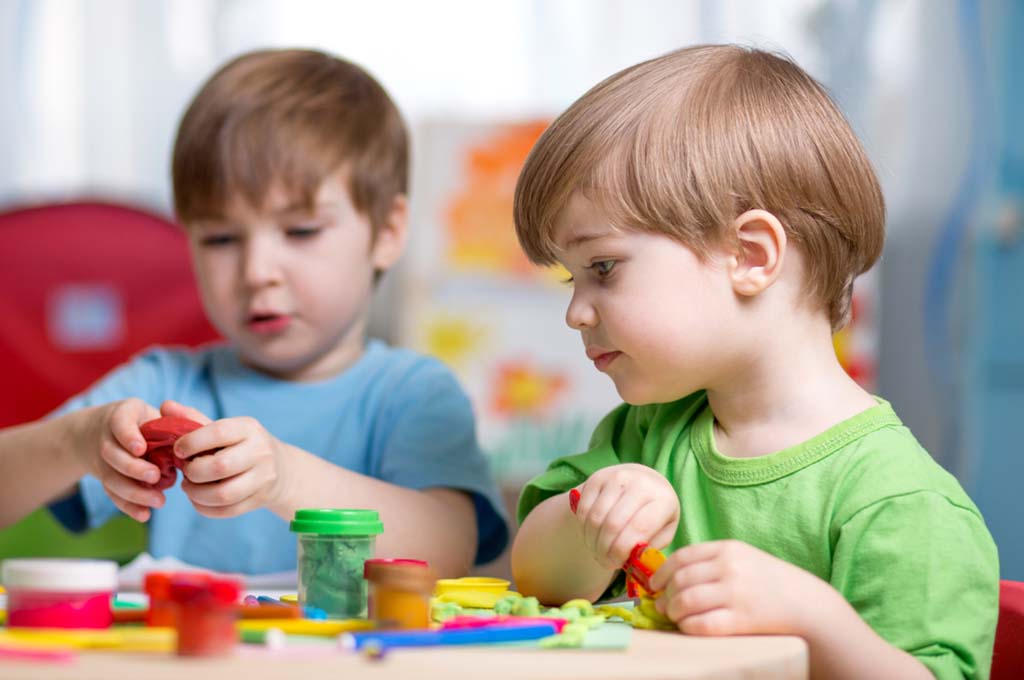
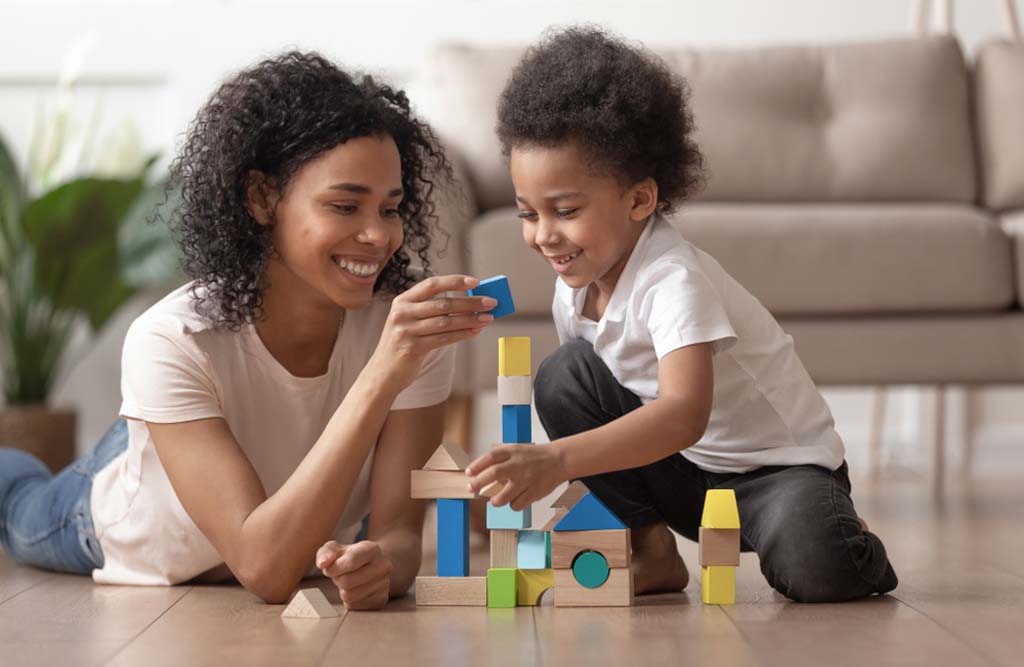
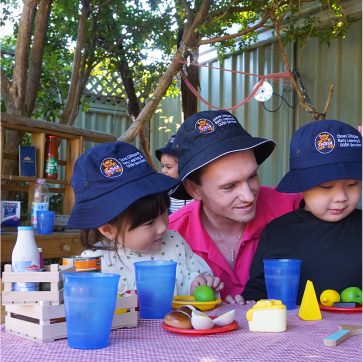
Many games and activities require teamwork. Building a block tower together, completing a group puzzle, or organising a pretend shop teaches children to listen, collaborate, and work toward shared goals — essential skills for early childhood social development.
4. Understanding Emotions
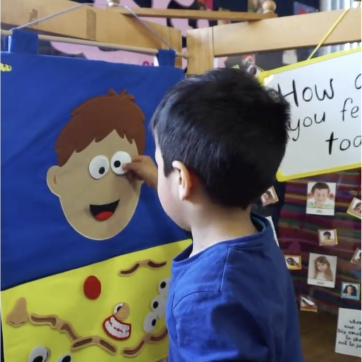
Play often brings out a wide range of feelings. Winning, losing, or negotiating disagreements helps children recognise emotions in themselves and others. With gentle guidance from educators, these experiences support empathy, self-regulation, and emotional awareness.
Types of Play That Boost Social Development
Different kinds of play help children grow in unique ways:
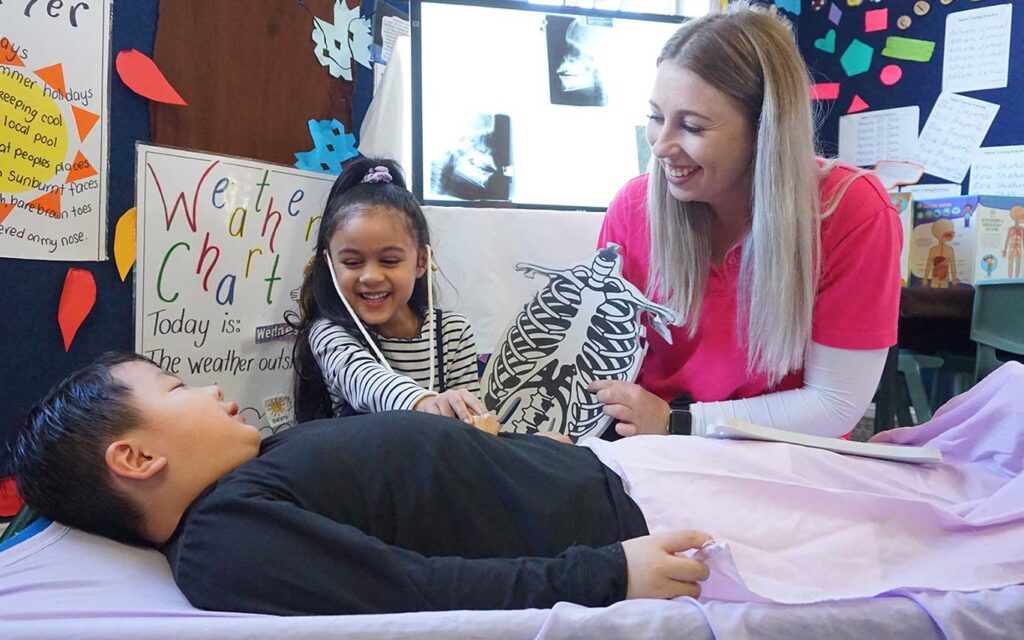
Dramatic and Role Play: Pretending to be a chef, firefighter, or parent lets children take on different perspectives and negotiate roles.
Cooperative Games: Board games, team challenges, and simple rule-based activities teach fairness, patience, and teamwork.
Free Play: Unstructured play allows children to explore interests, make decisions, and develop confidence in social situations.
Creative Play: Art, music, and storytelling help children communicate, collaborate, and express themselves with others.
Building Friendships Through Play
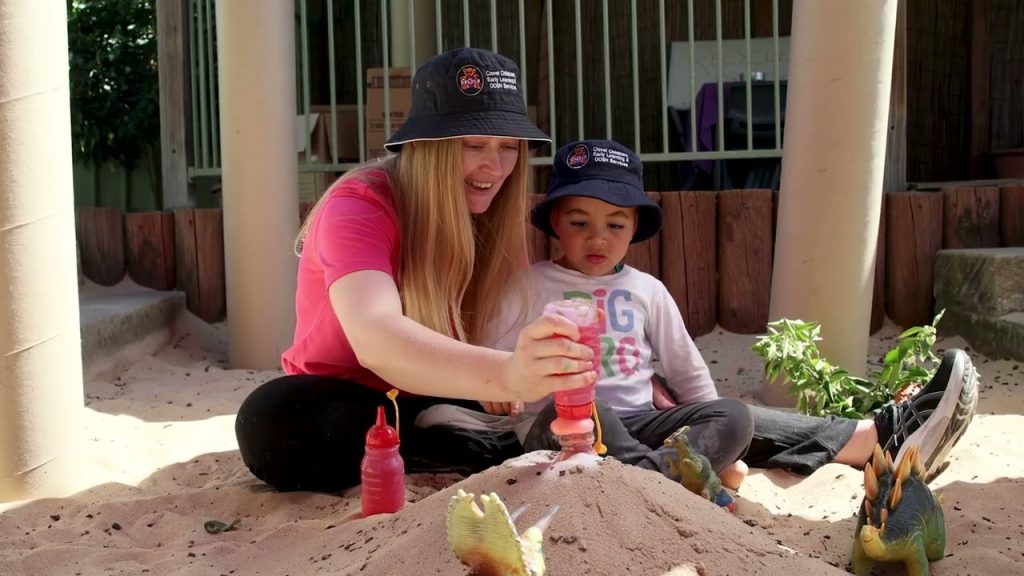
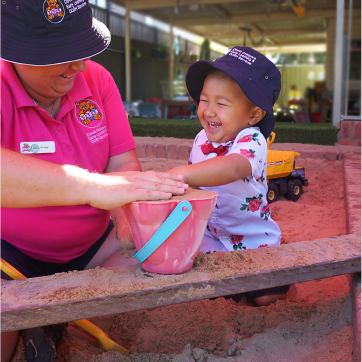
Some of the earliest friendships form through shared play. Whether digging together in the sandpit, creating a pretend café, or building a LEGO tower, these experiences give children common ground. Over time, shared play helps children learn trust, empathy, and how to enjoy spending time with peers.
How Educators Support Social Play
At Clovel Childcare, our educators create environments rich with opportunities for social learning. They:
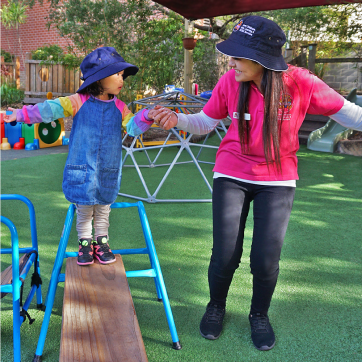
Observe and guide children gently through disputes
Encourage inclusive play that welcomes different personalities
Model positive social behaviours like turn-taking and sharing
Every small interaction — from offering a toy to resolving a disagreement — is celebrated as a step toward stronger social skills.
Tips for Families to Support Play at Home
You can extend social learning beyond childcare with simple activities:
Playdates: Invite one or two friends over and let children lead play.
Shared Projects: Cooking, gardening, or building together encourages teamwork.
Games with Rules: Even simple board games teach taking turns, cooperation, and problem-solving.
Talk About Feelings: Ask your child how they felt during play and help them label emotions.
The Long-Term Benefits
Children who develop social skills through play tend to:
Feel confident in group settings
Build stronger friendships
Navigate challenges with resilience
Express themselves effectively
Play isn’t just fun, it’s a vital part of childhood development that prepares children for school, friendships, and life beyond.
 Skip to content